Back to Industries
Industry Focus
Food & Beverage Industry Solutions
Vacuum Packing Machine
A vacuum packer (or vacuum sealer/ chamber) is a device used to remove air from a plastic bag or container before sealing it tightly. By eliminating oxygen around the item, it creates an airtight environment that significantly extends the shelf life of food, prevents freezer burn, and reduces spoilage by inhibiting the growth of bacteria and mold.
One machine has multiple uses:it can be used for internal and external vacuuming, and can also be used for vacuuming bags and jars.
The double-layer tempered glass cover allows you to see through every packaging process, ensuring safety while increasing visual beauty.
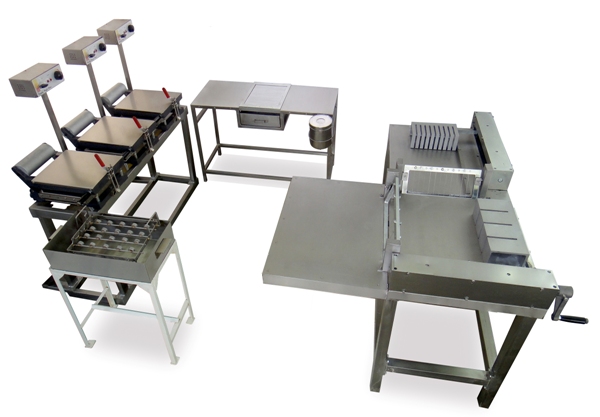
Semi - Automatic Wafer Making Machine
WT Series cream wafer plants are used for the manually operated production of cream wafer biscuits. They are characterized by simple mechanism study and flexibility. These machines are low cost and economical in operation. Depending on the output required they can be supplied with 6, 9 or 12 Wafer baking tongs. Cream spreading table, cutting machine, batter and cream mixer and packing machine ensure that production is continuous. Batter Preparation A mixer of wheat flour, maize starch, vegetable fat and preservative colours is churned into a paste in the batter mixer. Machine Operation (6 WT) The batter is fed to a pre-heated wafer tong by a special dosing device. Baking takes 1-3** minutes. The baked sheets are cooled. Subsequent operations are creaming, sandwiching & cutting. The cut wafers are then ready to be packed.
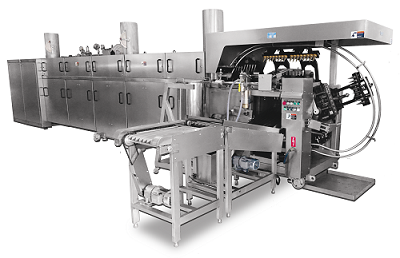
Automatic Ice Cream Cone Baking Machine
The Automatic Ice-Cream Cone Baking Machine "ZA-W" Series are efficient oven for the large scale production of all kinds of Ice cream cones, moulded sugar cones, cups and hallow wafers. According to the output required these machines are supplied with 18,24,30 or 36 baking moulds or higher. The oven can be heated by Liquid Petroleum Gas (LP Gas) or Electricity.
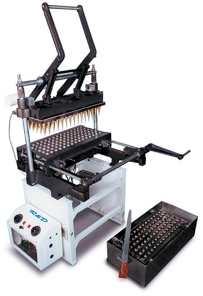
Semi - Automatic Ice Cream Cone Baking Machine
The 'ZE' series of semi-automatic machines are used for baking ice cream cones, moulded sugar cone and cups. These machines are easy to use and robust. The heating is by electrical heaters designed to optimize energy use and thermal distribution. This machine is flexible for high production on nonstop basis for 24 hours.
One die-unit can bake and produce only one type of cone/cup.
The upper and lower moulds are interchangeable. In two/three hours you can change the entire die-unit and start to produce with another type of cone. It can be easily operated by any unskilled operators by performing a few simple tasks.
ZE 50 Series - It can be used for producing cones up to 120 mm height. Z 7 - It can be used for producing cones for extra long length up to 150 mm. It is a special Edition
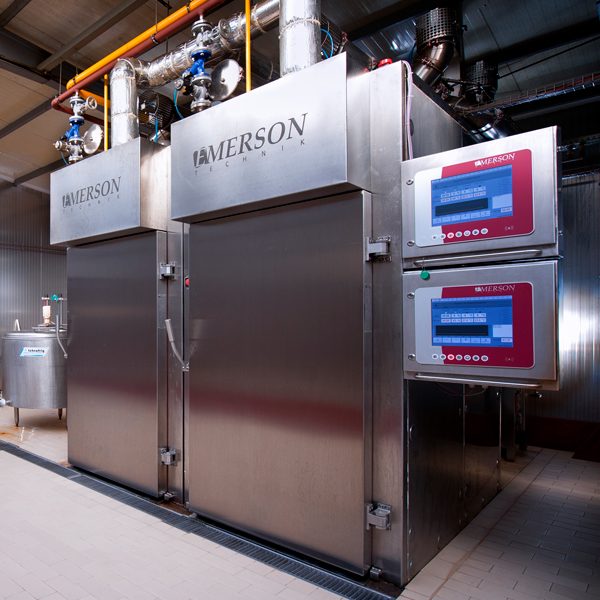
Cooking Chamber
The smoking and cooking units are allowing automatic heat treatments for meat, fish or other food products. They benefit from very strong materials and from a special cooking system – QuickCook, which ensures reduced working time as well as overall better results. The weight loss is strongly improved leading to a better yield, but at the same time the product is uniformly cooked, as the chambers come with one fan for each trolley. Each cooking chamber is equipped with gas, LPG, diesel, oil or electric heating (besides the steam), thus ensuring the generous steam production inside the chamber. Also, chambers feature a modular construction from high quality stainless steel and mineral rock wool panels, which allow them to be installed in different locations, from small to mid-sized to high capacity factories.
Different cooking control options are also available, such as Delta T cooking, chamber temperature cooking or core temperature cooking
The chambers are controlled either via the EasyTouch touch screen computer or with the ViSoft PC monitoring software.
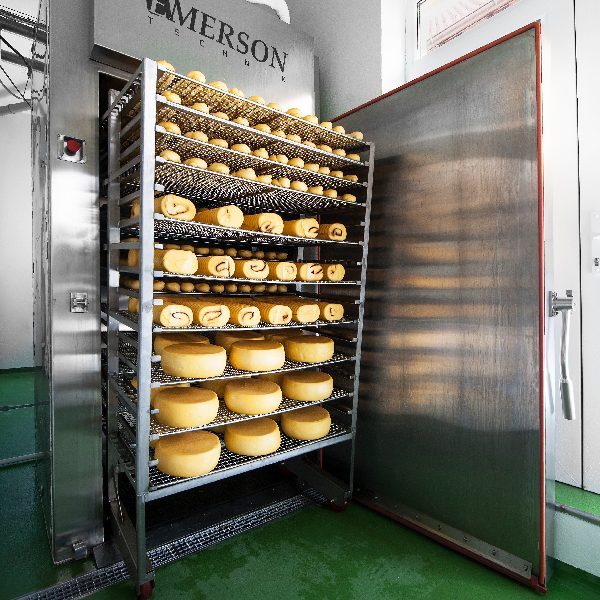
Cheese Smoking Chambers
For smoked cheese application, our smoking chambers usually use the cold smoke system. The perfect air circulation, together with the low smoke temperature (controlled by the cooling register) ensure that the product will have less loss after the drying – smoking process and also a perfect maturation. The chamber is designed to have optional horizontal air circulation for laying products on the grates. Thanks to the horizontal air circulation, the trolleys can be constructed with many levels and the capacity will be increased. Also, the heating can be adjusted for maturation and humidity control.
Reliability due to strong materials and processes
Weight loss reduced to minimum
Fast programs thanks to the design of the ventilating system
Blast Freezers
Rapid freezing units that use high-velocity cold air to freeze meat or seafood quickly, preserving texture and nutrients.
Rapid high-velocity freezing
Preserves texture and nutrients
Ideal for meat and seafood
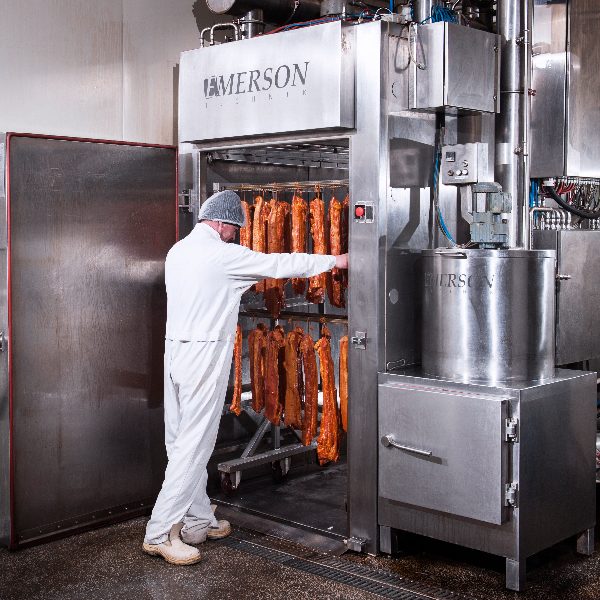
Smoking Chambers
Automated chambers for cooking and flavoring meats with controlled smoke and temperature. Commonly used for sausages, hams, and fish.
Controlled smoke and temperature
Automated cooking and flavoring
Ideal for sausages, hams, and fish
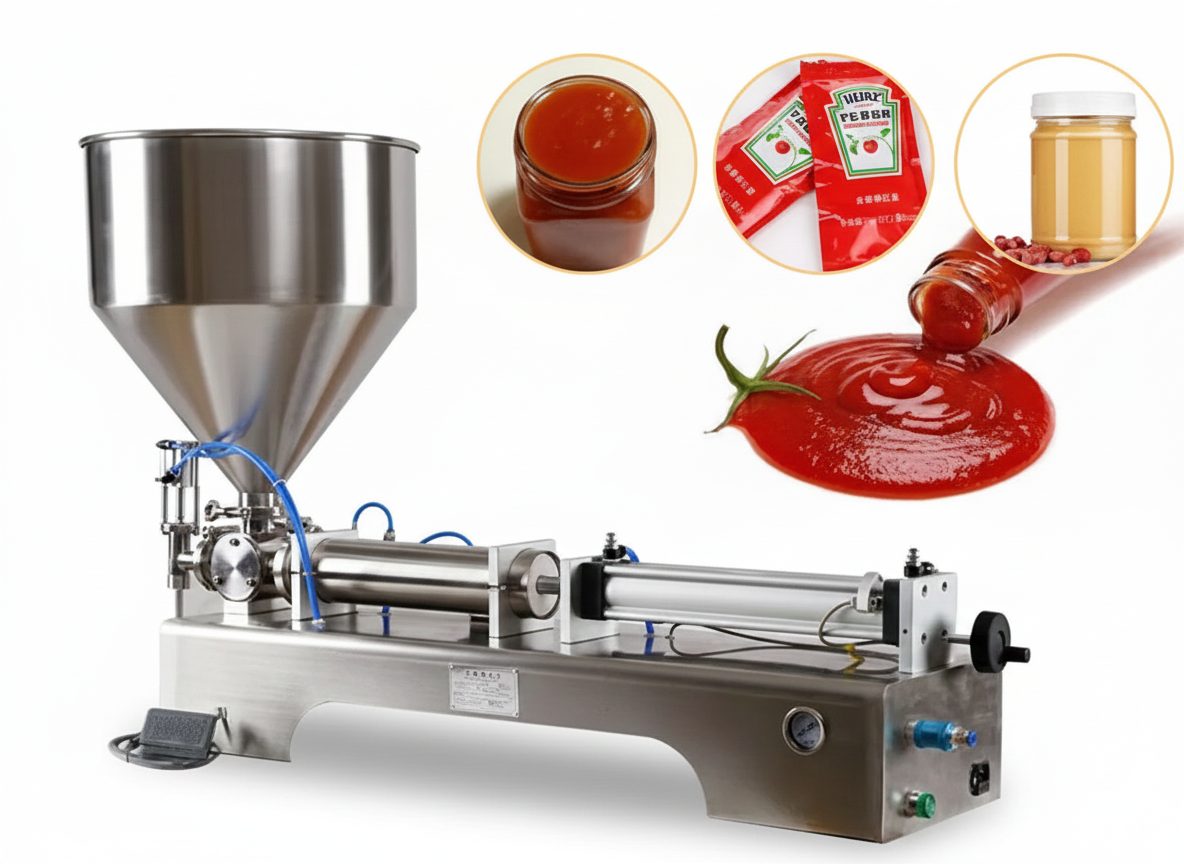
Paste Filling Machines
Specialized filling systems for thick or viscous products like sauces, jams, lotions, gels, or cosmetic creams. They ensure accuracy and minimize waste.
Handles thick and viscous products
Accurate filling minimizes waste
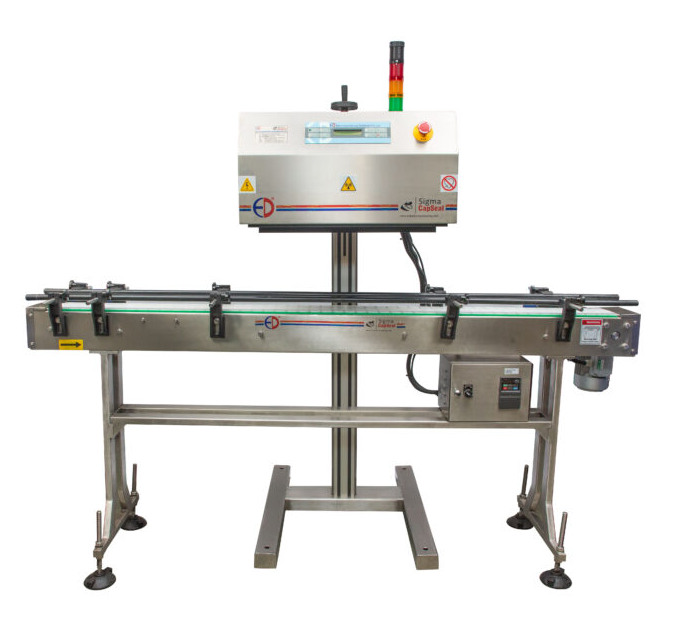
WAD Sealing Machines
Induction sealing equipment that applies protective seals to bottles and jars, ensuring tamper-proof packaging and leak prevention.
Induction sealing technology
Tamper-proof packaging
Leak prevention
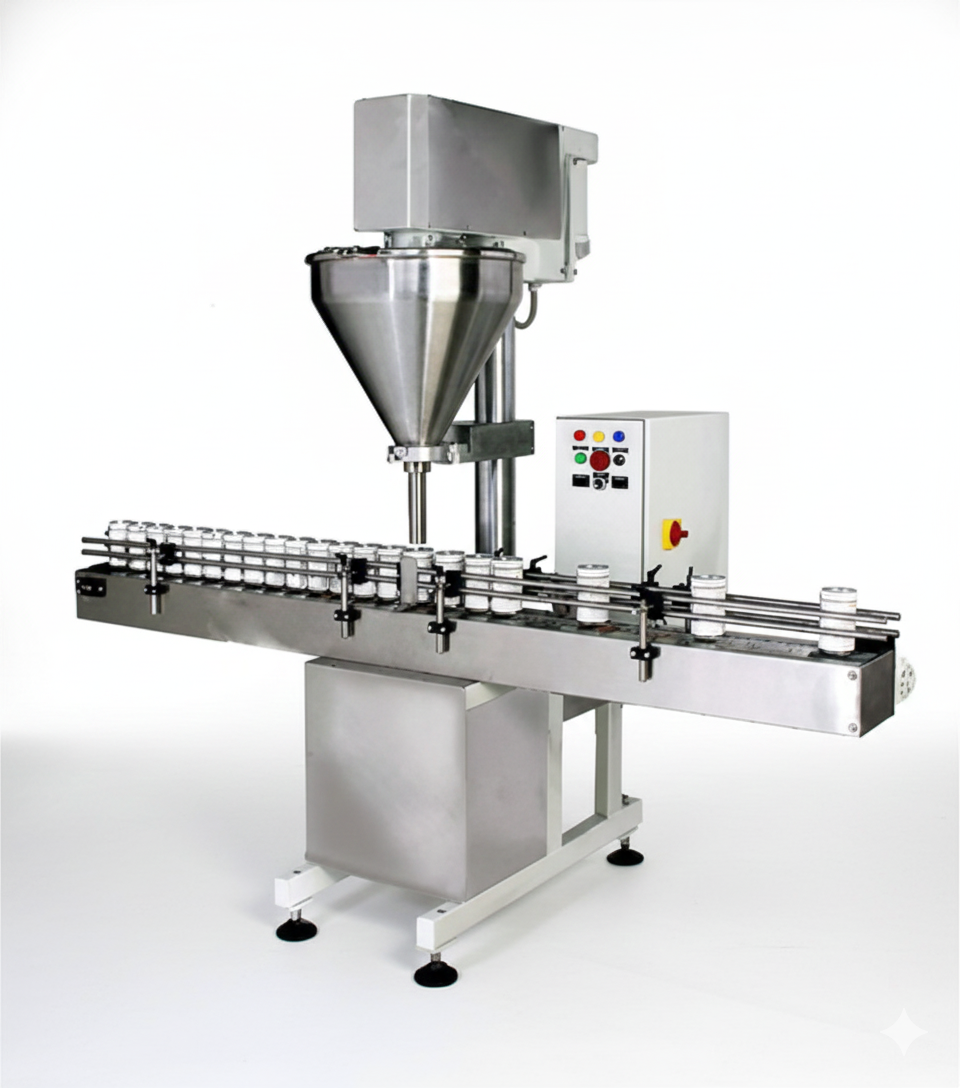
Auger Filler
Precision filling machines using rotating augers to dispense powders and granular materials into containers. Ideal for food, pharmaceutical, and cosmetic industries.
Rotating auger dispensing system
Precision powder and granule filling
Versatile for multiple industries
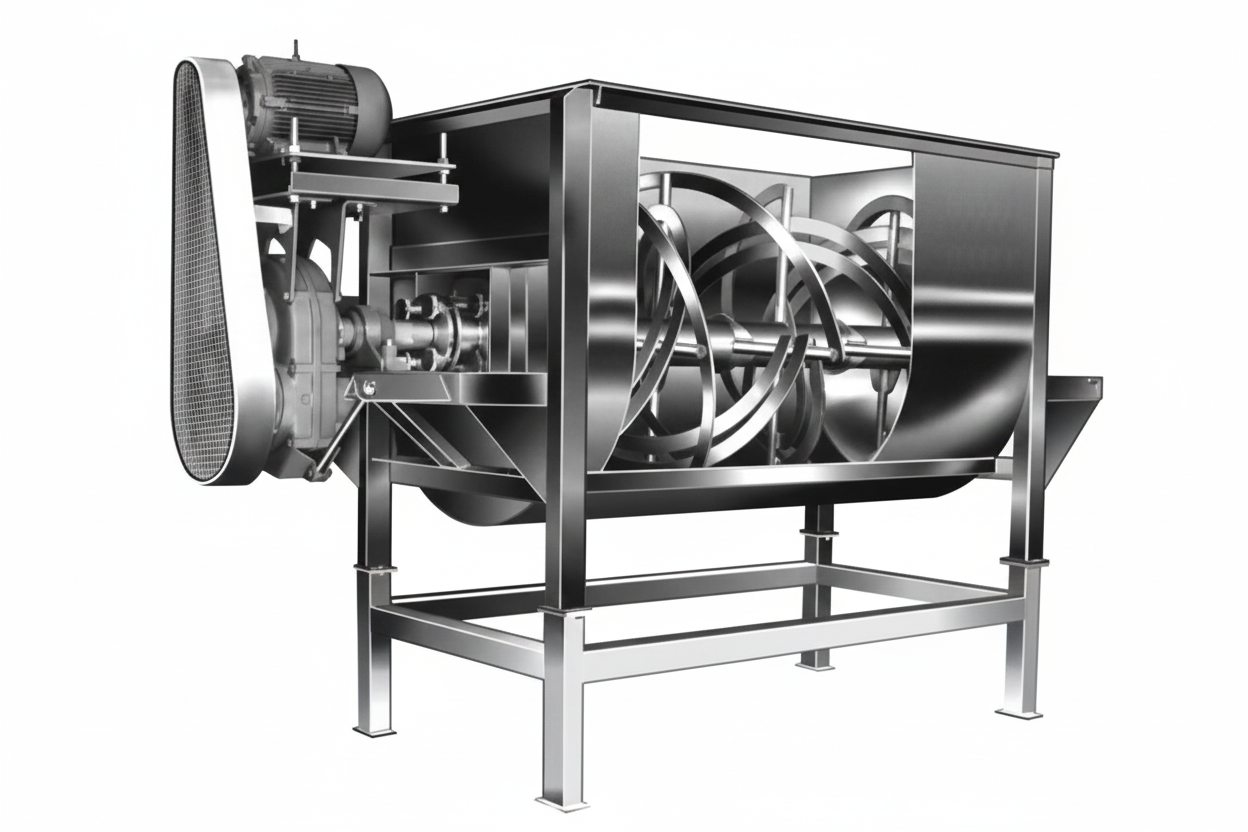
Blending Machine
Versatile blending systems for uniform mixing of powders, liquids, and semi-solids. Used across tea, spices, pharmaceutical, and food industries.
Uniform mixing of various materials
Versatile multi-industry use
Handles powders, liquids, and semi-solids
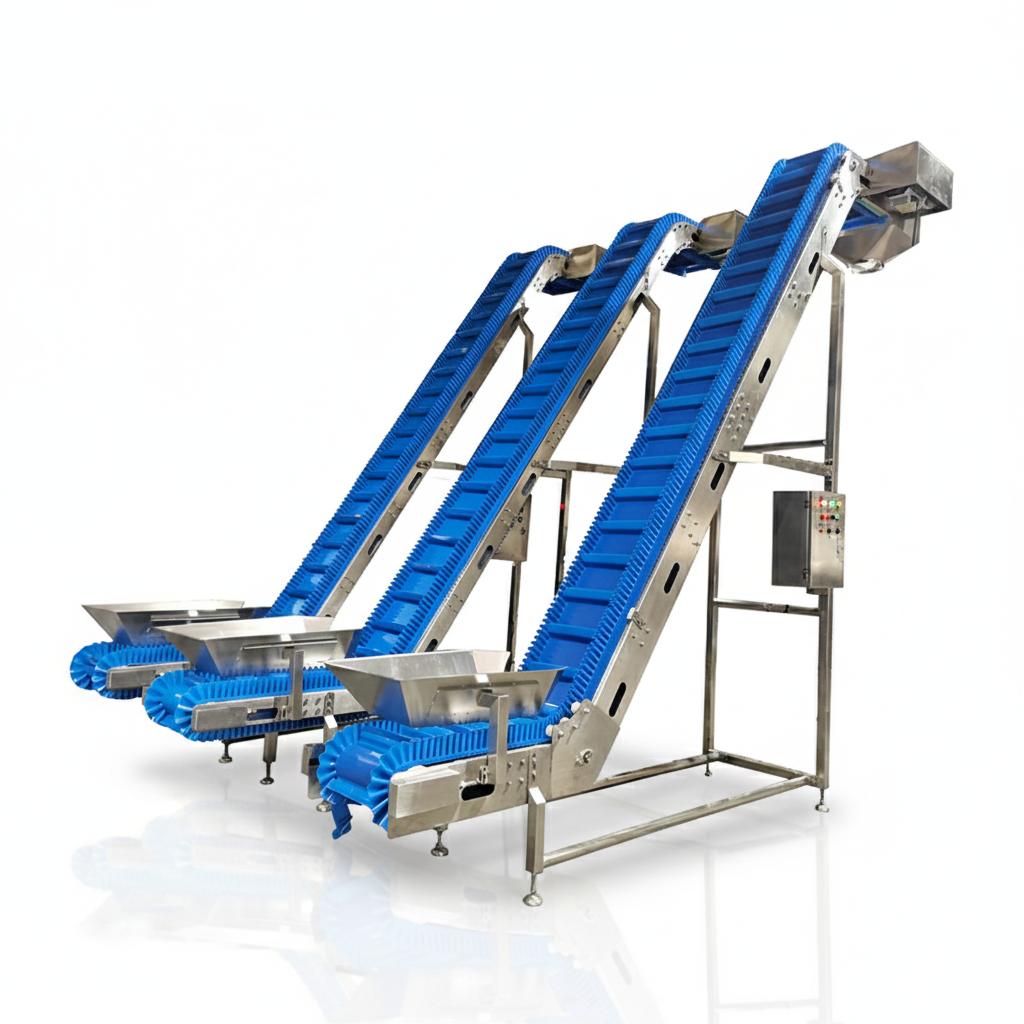
Bucket Conveyor
Vertical or inclined conveying systems using buckets to transport bulk materials like grains, powders, and granules between processing stages.
Vertical and inclined transport
Handles bulk materials efficiently
Suitable for grains, powders, and granules
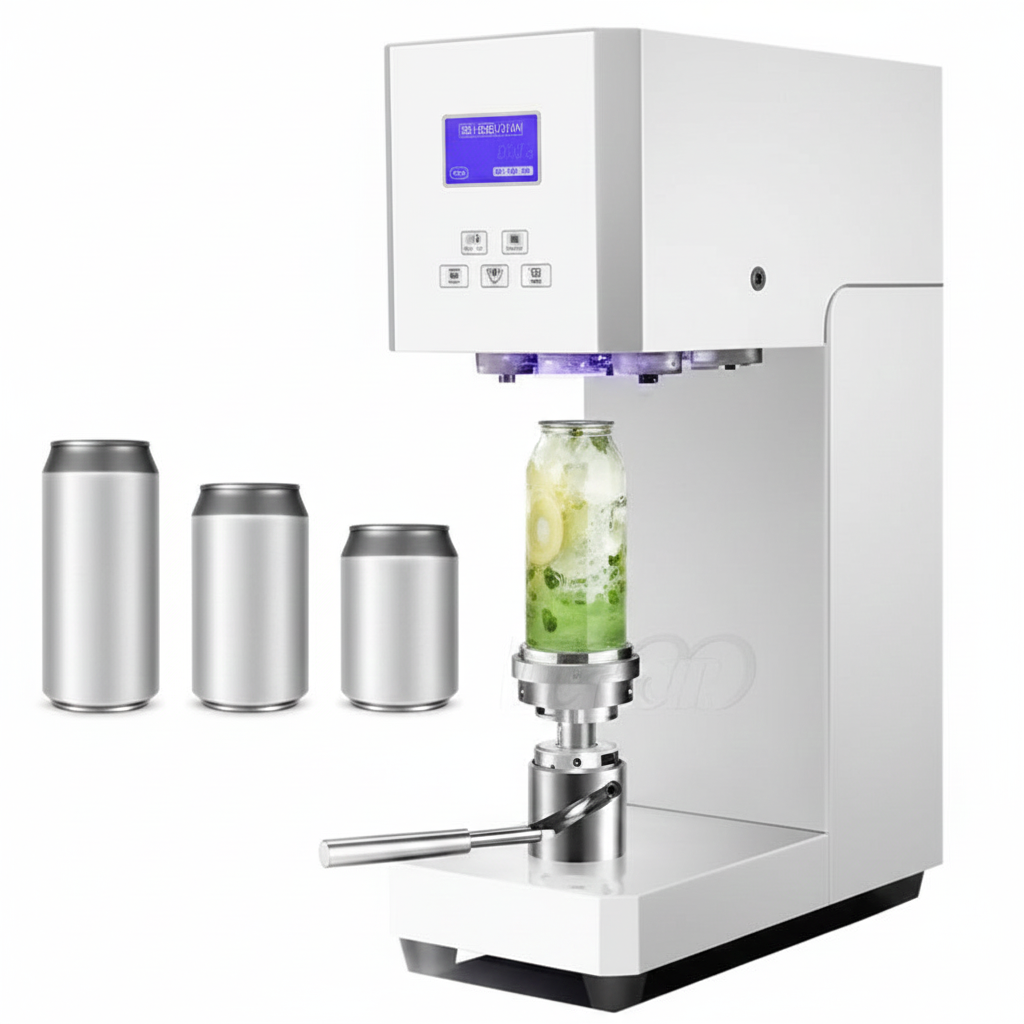
Can Seamer
Machines that apply and seal lids to cans with precision, ensuring airtight closures for beverages and food products.
Precision lid application and sealing
Airtight closure guarantee
Suitable for beverages and food
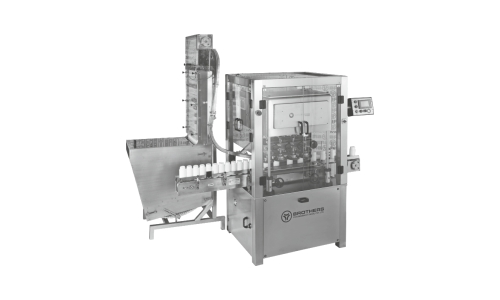
Capping Machine
Automated systems for applying caps to bottles and jars. Used in beverage, spices, tea, and general packaging applications.
Automated cap application
Consistent torque control
Multi-industry applications
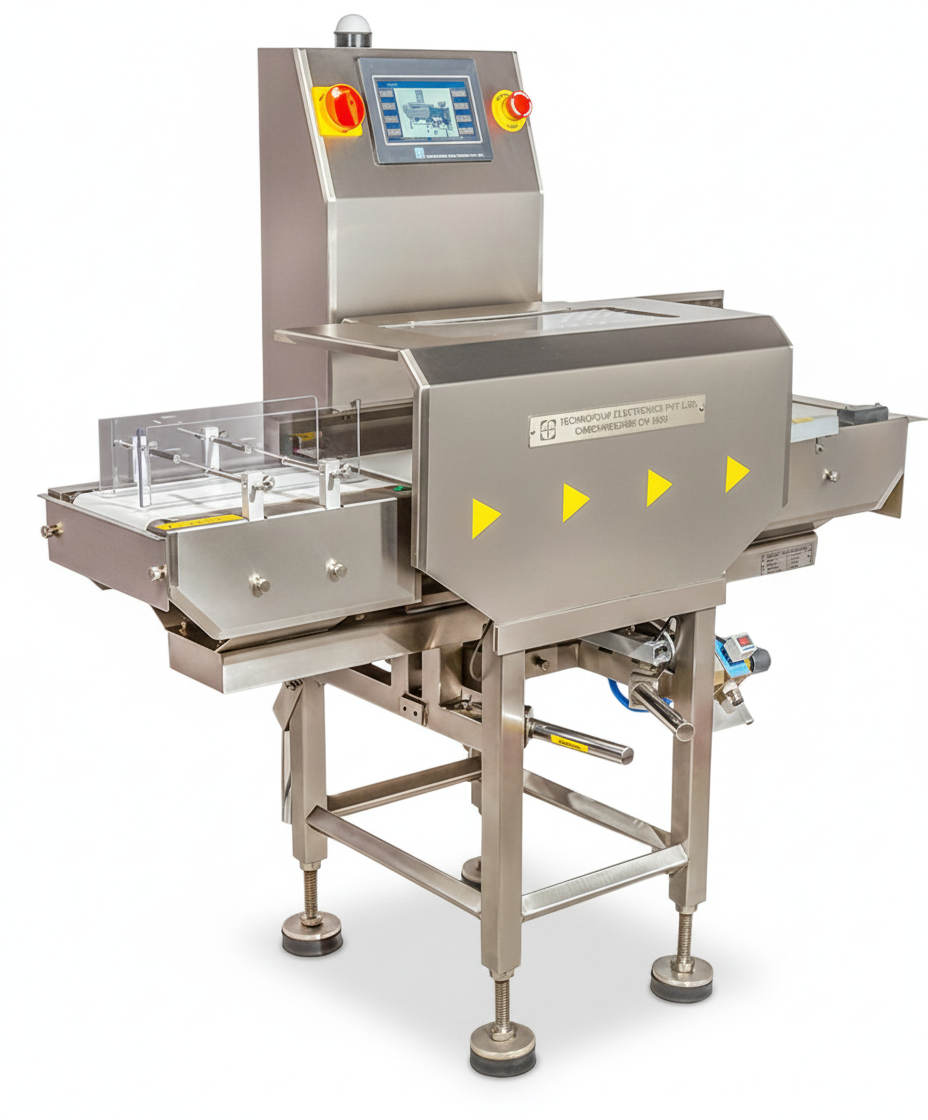
Check Weigher
Automated systems that verify product weight during packaging to ensure accuracy and compliance with legal requirements.
Automated weight verification
Ensures packaging accuracy
Legal compliance standards
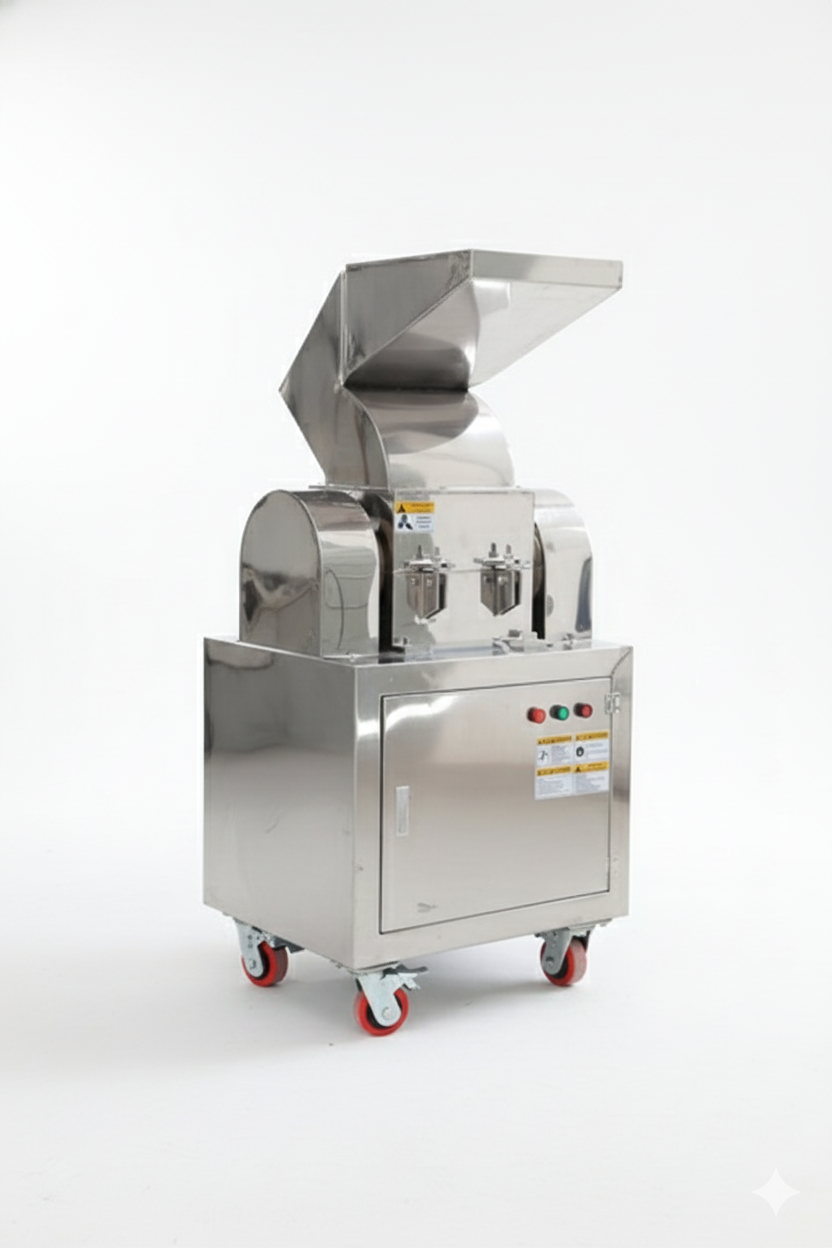
Coarse Crusher
Heavy-duty crushing machines for reducing spices, grains, and other materials into coarse particles before fine grinding.
Heavy-duty crushing capability
Reduces materials to coarse particles
Pre-processing for fine grinding
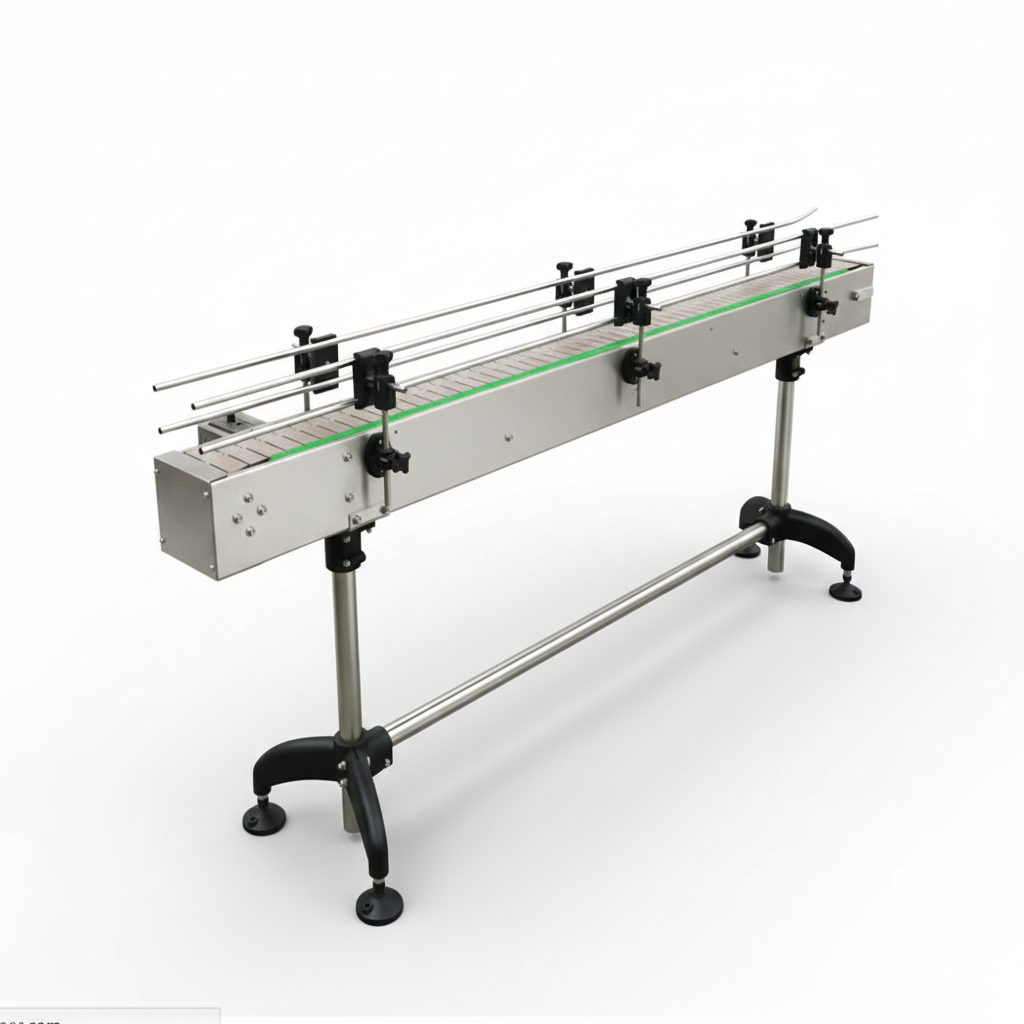
Conveyors
Essential material handling systems for transporting products between processing and packaging stages across all industries.
Efficient product transport
Connects processing stages
Universal industry application
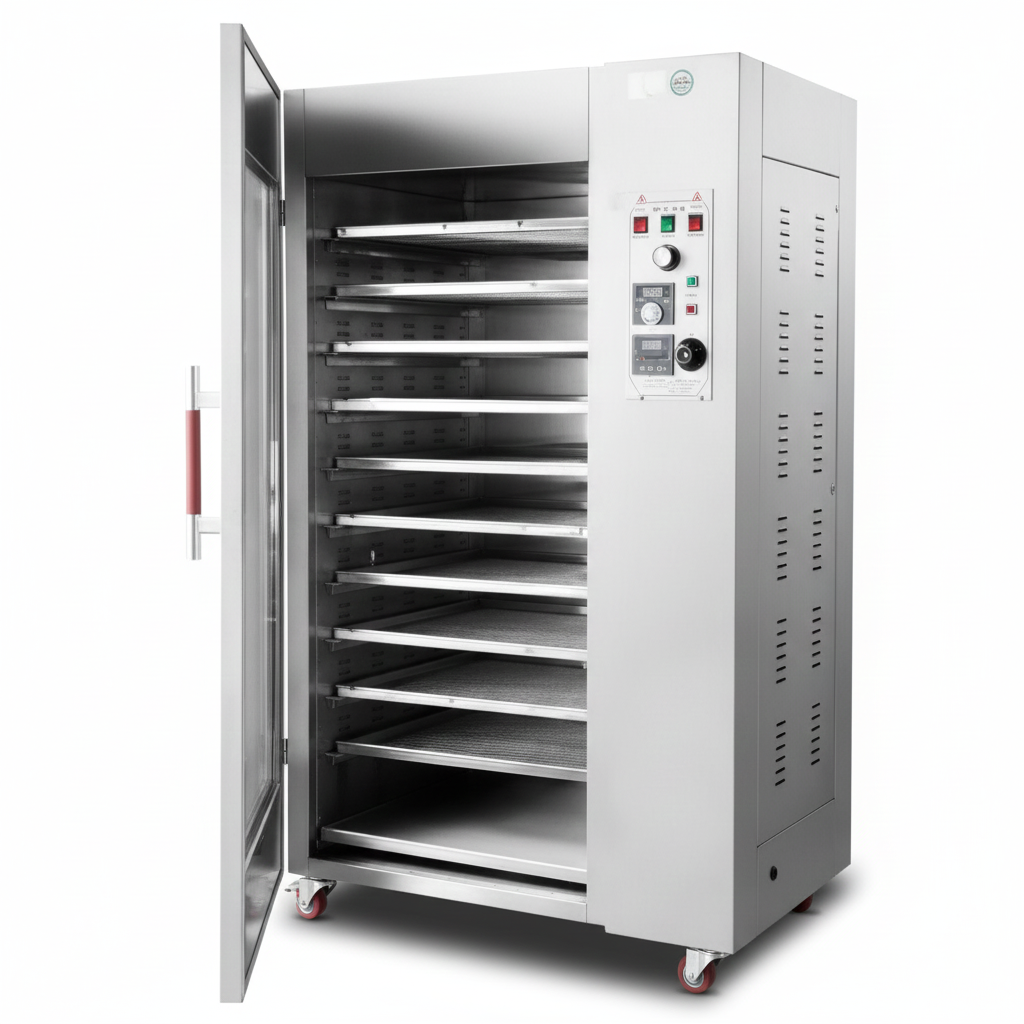
Dehydrators
Drying systems that remove moisture from spices, tea, fruits, and vegetables while preserving flavor and nutrients.
Moisture removal with heat control
Preserves flavor and nutrients
Suitable for spices, tea, and produce
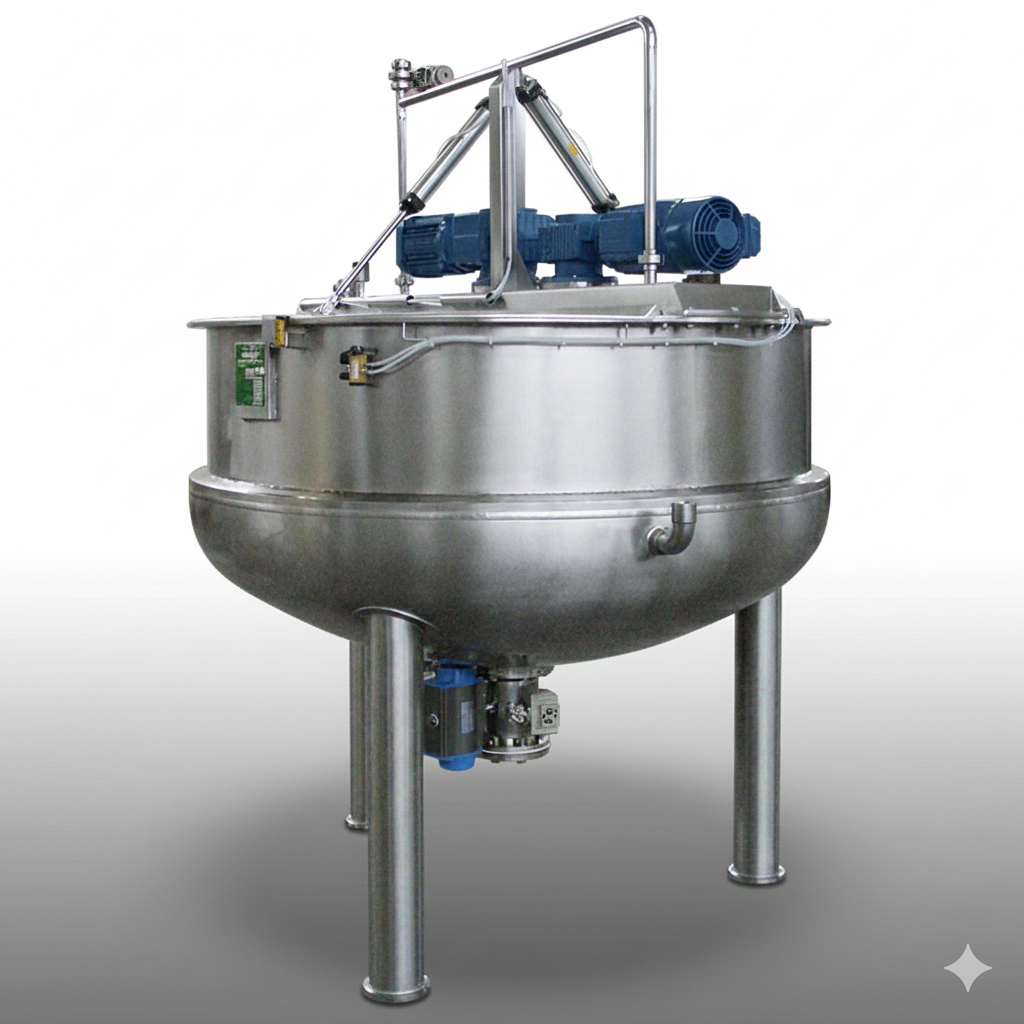
Industrial Cooking Vats
Large-scale cooking vessels with temperature control for preparing sauces, syrups, jams, and other cooked food products.
Large-scale cooking capacity
Precise temperature control
Suitable for sauces, syrups, and jams
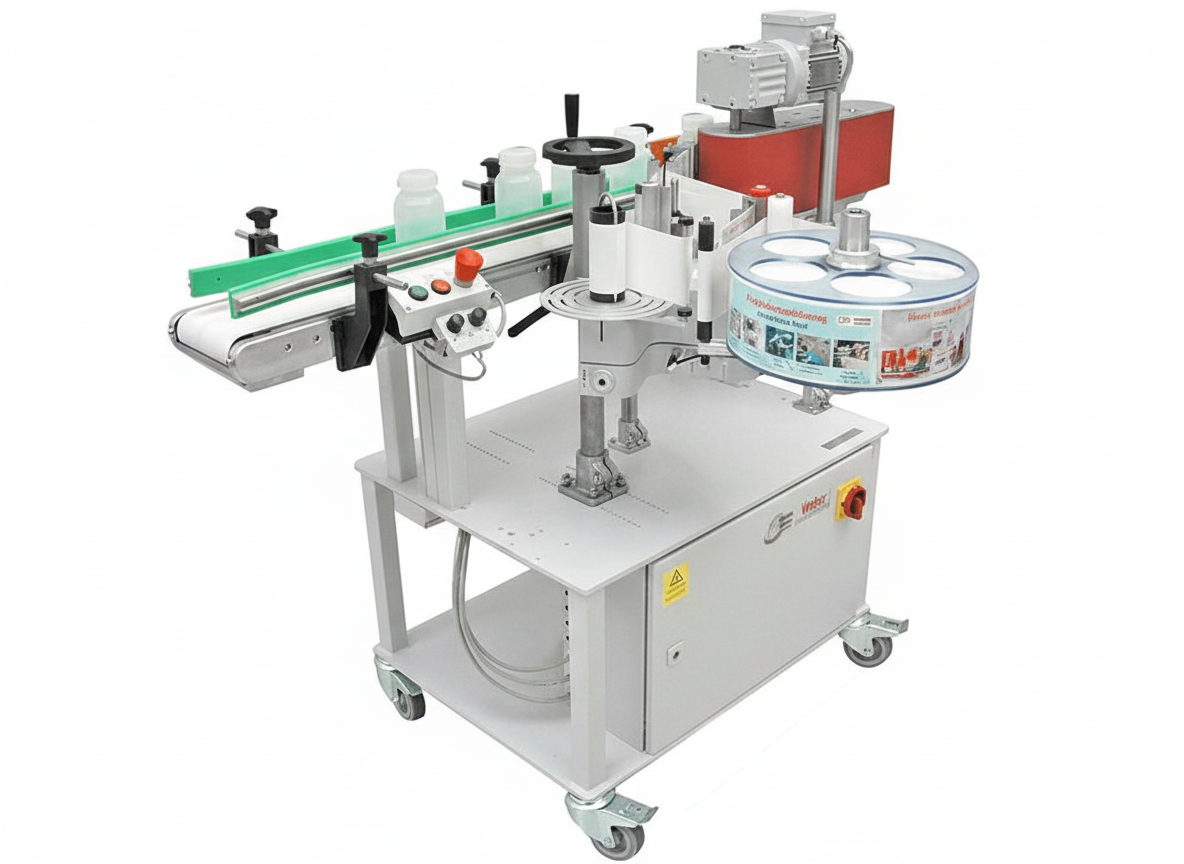
Labeling Machine
Automated label application systems for bottles, jars, pouches, and boxes. Used across spices, beverages, and general packaging.
Automated label application
High-speed accuracy
Versatile container handling
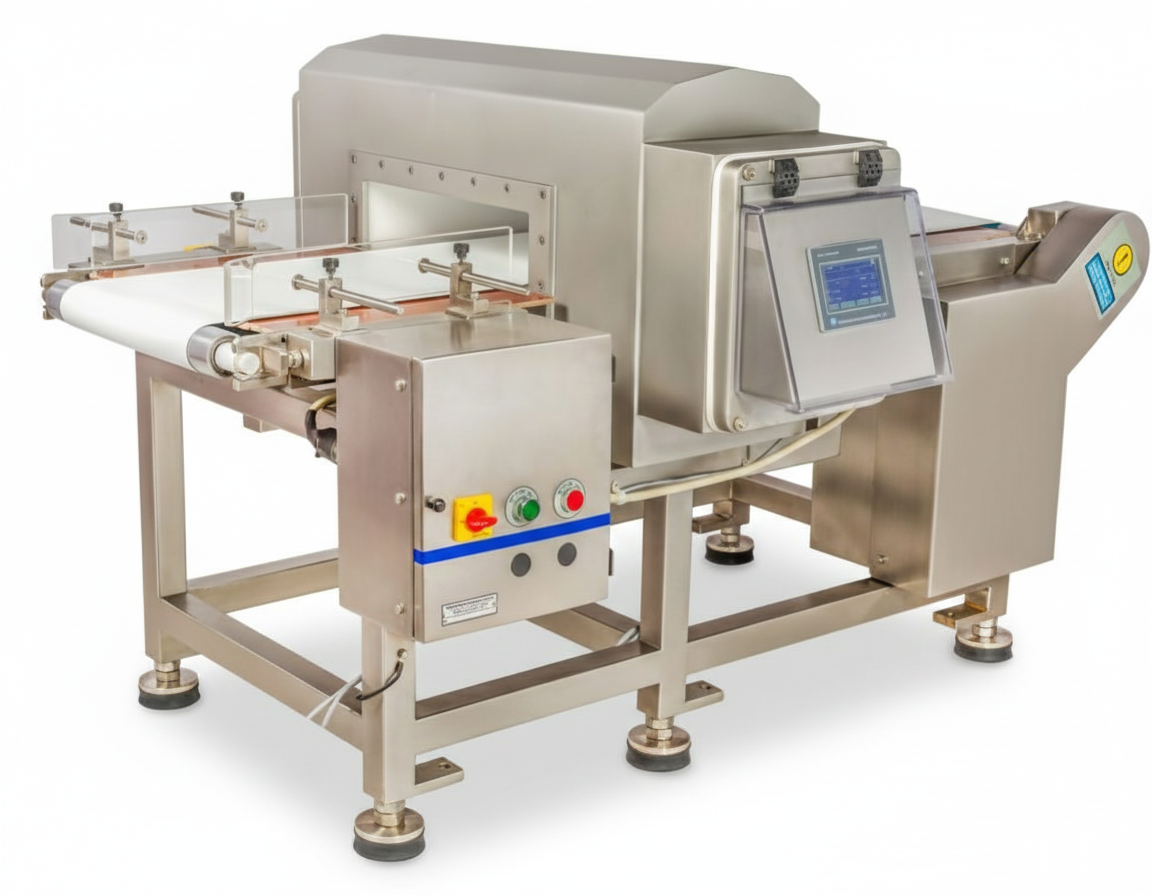
Metal Detectors
Quality control systems that detect metallic contaminants in food, pharmaceutical, and packaged products to ensure safety.
Detects metallic contaminants
Ensures product safety
Quality control compliance
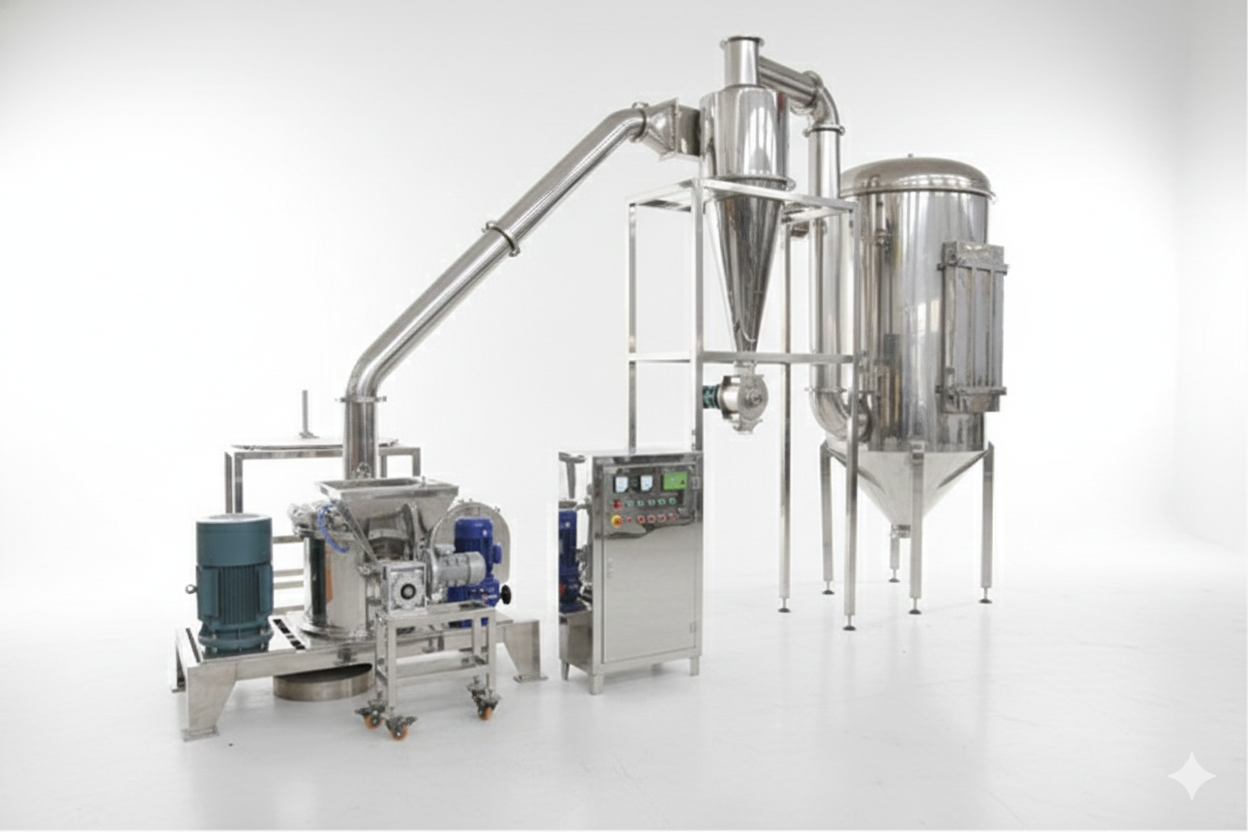
Pulverizer
High-impact grinding machines for reducing spices and hard materials into fine powders with consistent particle size.
High-impact grinding technology
Produces fine powders
Consistent particle size
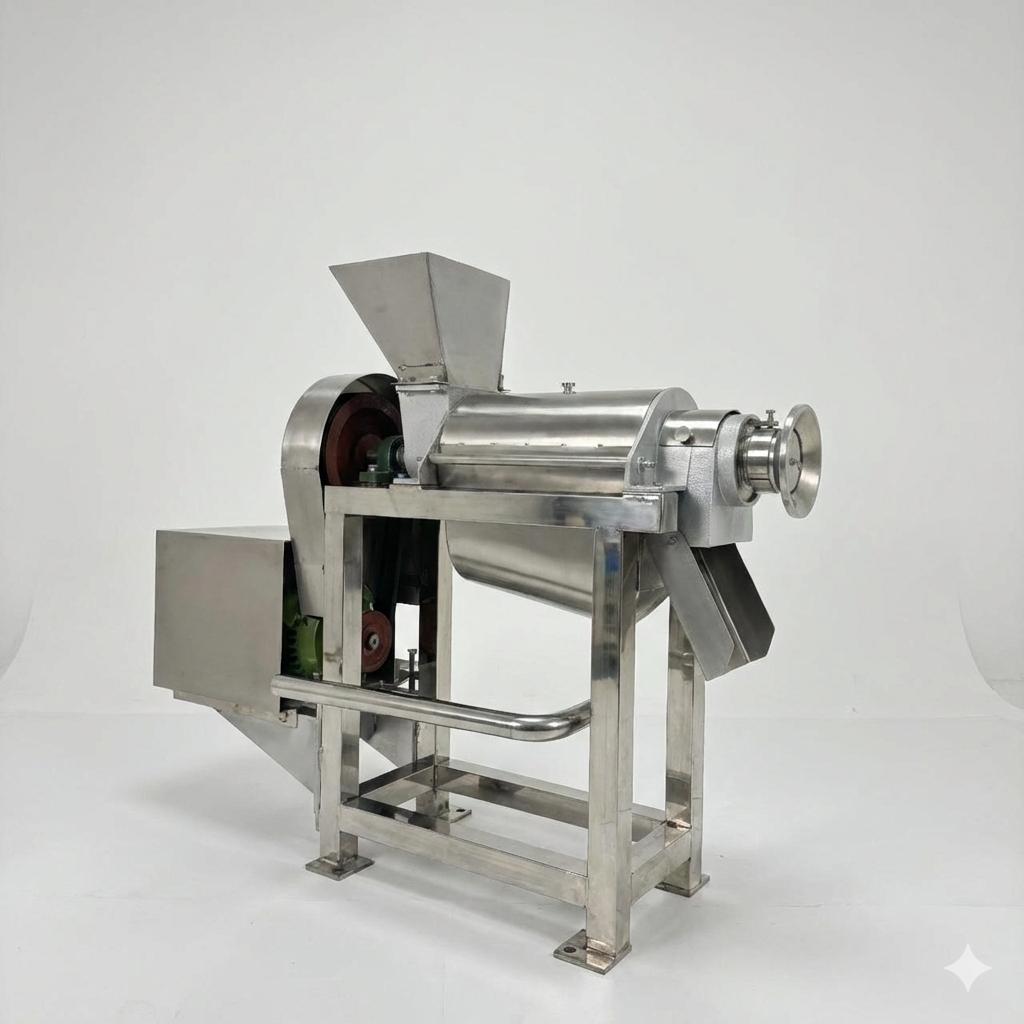
Spiral Juicer Machine
Cold-press juicing systems using spiral technology to extract juice from fruits and vegetables while preserving nutrients.
Cold-press spiral technology
Preserves nutrients and enzymes
High juice extraction efficiency
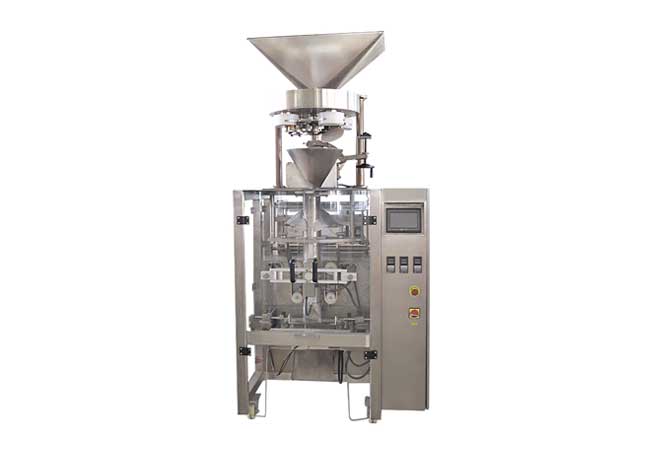
Tea Packing Machines
Automated systems for filling and sealing tea bags, pouches, or boxes. They ensure precision dosing, airtight sealing, and attractive presentation, essential for retail distribution.
Automated tea bag and pouch filling
Precision dosing and airtight sealing
Attractive retail presentation
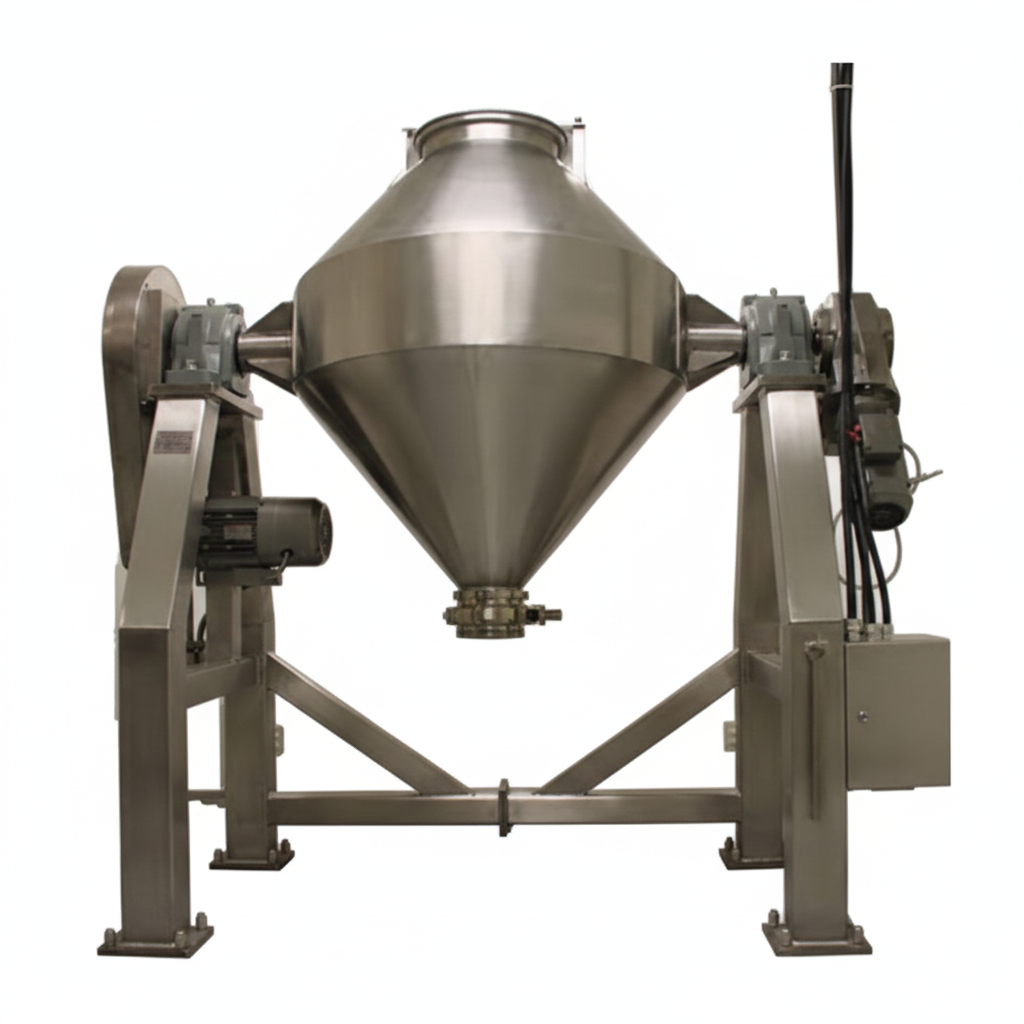
Flavored Tea Blenders
Specialized blending systems for incorporating herbs, flowers, spices, and flavorings into tea. They allow production of specialty teas such as chai, jasmine, or fruit-infused teas.
Incorporates herbs, flowers, and spices
Produces specialty flavored teas
Ideal for chai and fruit-infused varieties
Sorting Machines
Automated sorters that classify materials based on colour, size, or shape.
Classifies tea by color, size, or shape
Improves uniformity and value
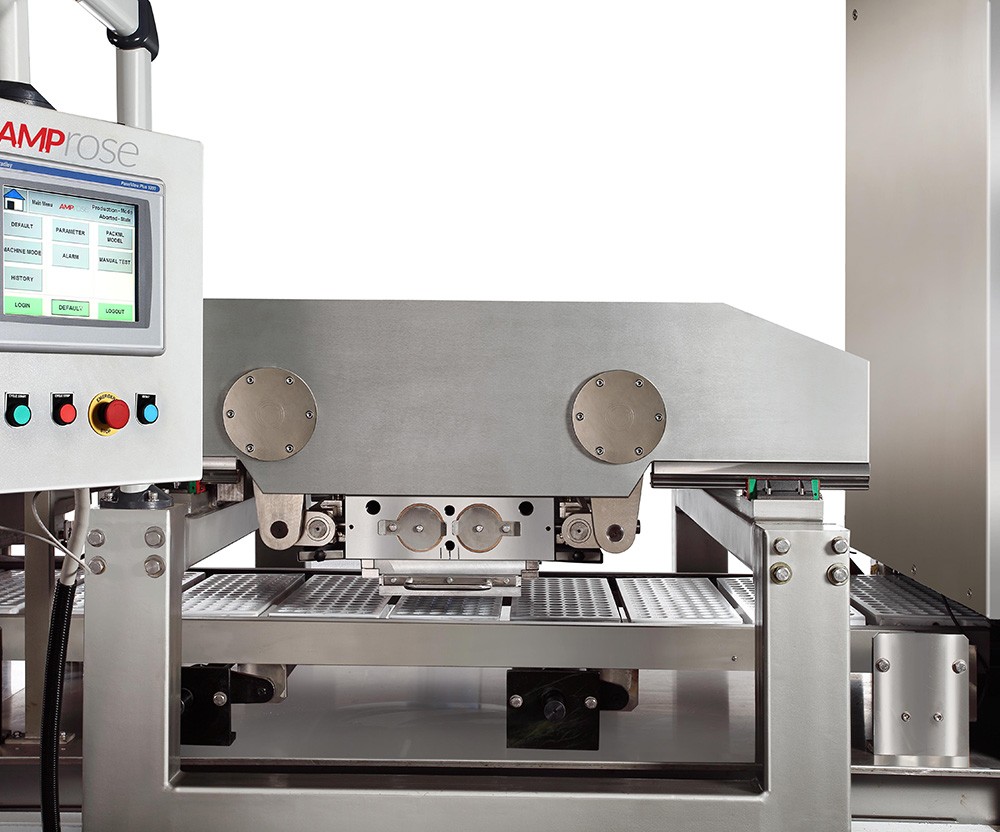
Chocolate Processing Machines
Equipment for refining cocoa liquor, conching, tempering, and molding chocolate into bars, pralines, or coatings. These machines ensure smooth texture and controlled crystallization.
Refining, conching, and tempering
Molding into bars and pralines
Ensures smooth texture and crystallization
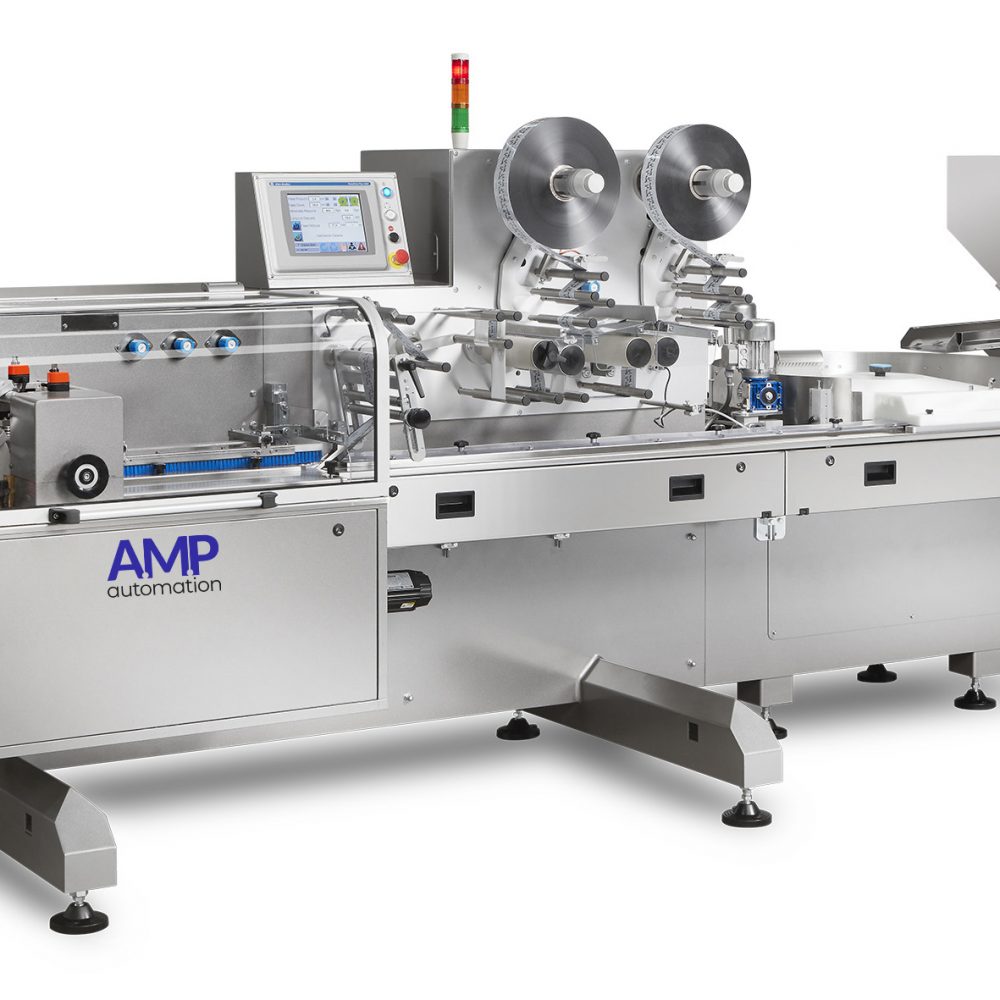
Chocolate & Candy Packing & Wrapping
High-speed machines for wrapping chocolates and candies in foils, pouches, or flow wraps. Designed to maintain product hygiene and enhance branding.
High-speed wrapping systems
Maintains hygiene and branding
Foil, pouch, and flow wrap options
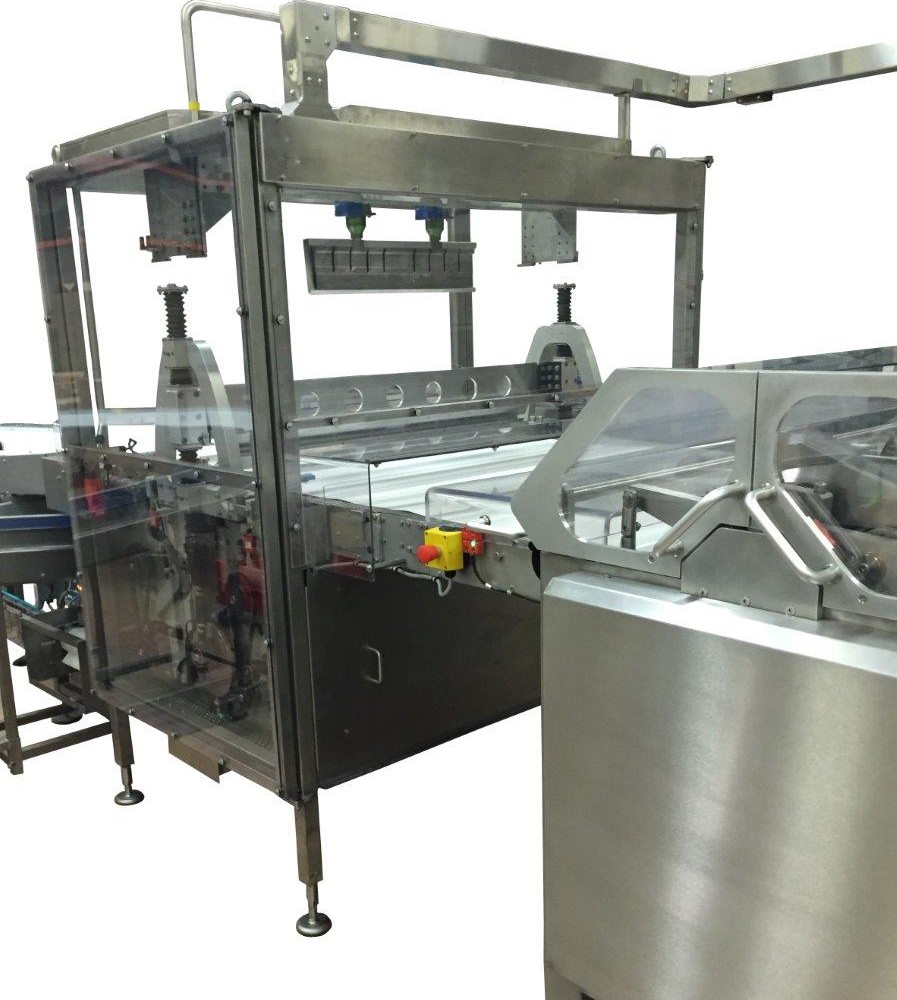
Bar & Candy Forming Machines
Automated systems that shape candies, bars, or caramels with consistent size and weight. They allow flexible designs for various confectionery products.
Consistent size and weight forming
Flexible product designs
Automated candy and bar shaping
.png)
Dough Mixers & Sheeters
Industrial mixers and sheeting machines designed to knead dough and roll it into uniform sheets for cookies, pastries, and flatbreads.
Industrial dough kneading and mixing
Uniform sheet rolling
Suitable for cookies and pastries
Baking Ovens & Tunnel Ovens
Continuous or batch ovens for baking large volumes of bread, cookies, and biscuits. Tunnel ovens provide consistent results with high throughput.
Continuous and batch baking options
Consistent high-volume baking
Suitable for bread, cookies, and biscuits
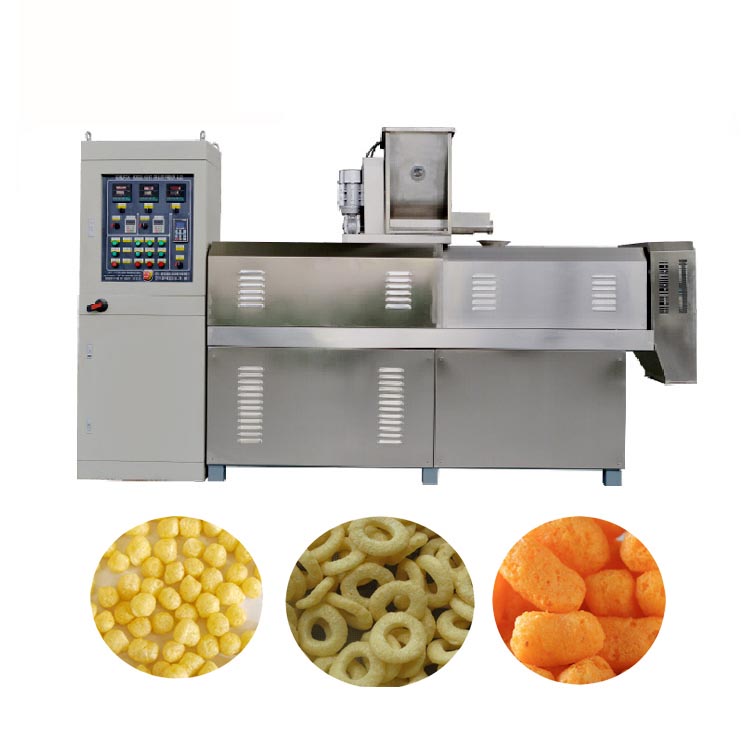
Extruders
The core machinery for extruded snack production. Raw materials are cooked under heat and pressure, then forced through dies to create specific shapes like curls, rings, or sticks.
Heat and pressure cooking of raw materials
Creates various snack shapes
Core machinery for snack production
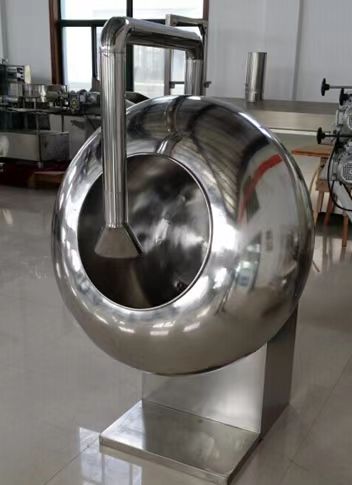
Seasoning Coating Drums
Rotating drums that evenly coat snacks with oil, flavors, and seasonings. They ensure a uniform taste experience.
Even coating with oil and seasonings
Uniform taste distribution
Rotating drum technology
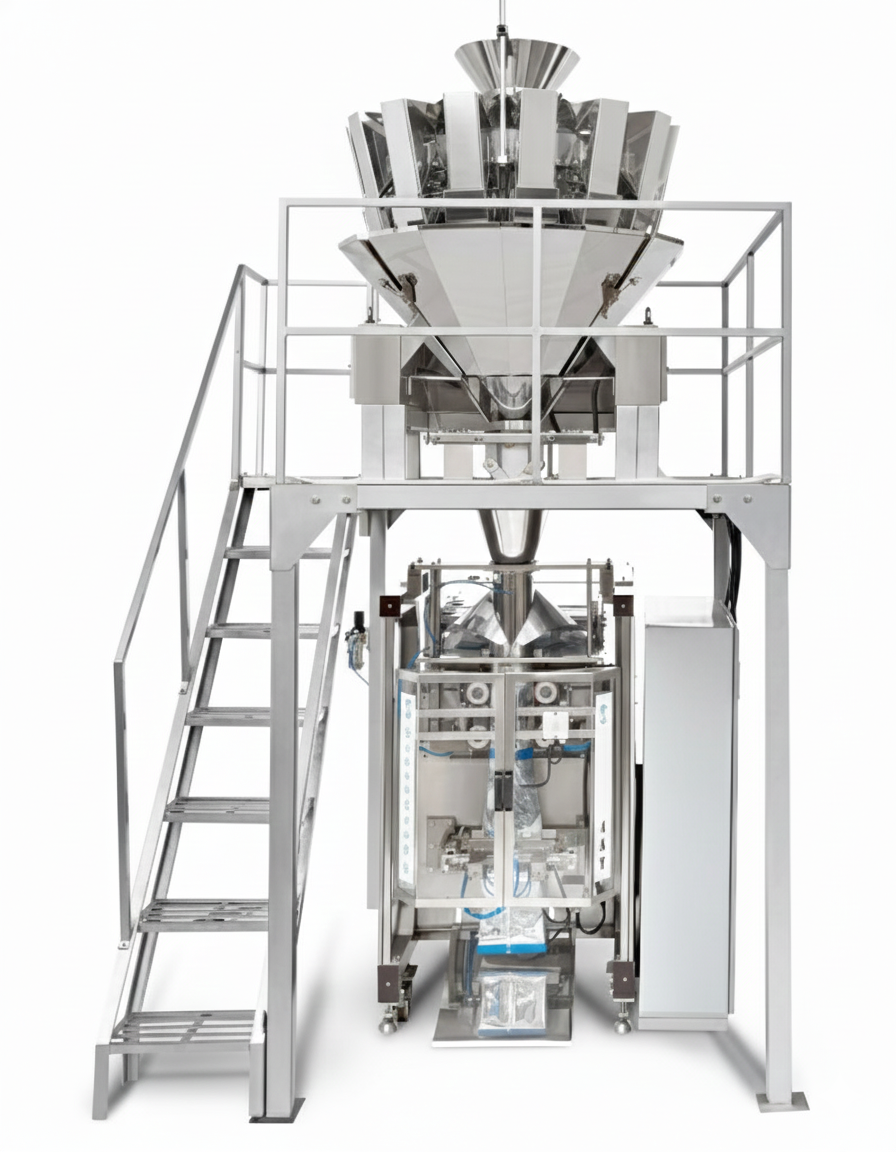
Multi-head Weighers
High-speed weighing machines that accurately measure snack portions before packaging. They improve efficiency and reduce giveaway.
High-speed accurate weighing
Reduces product giveaway
Improves packaging efficiency
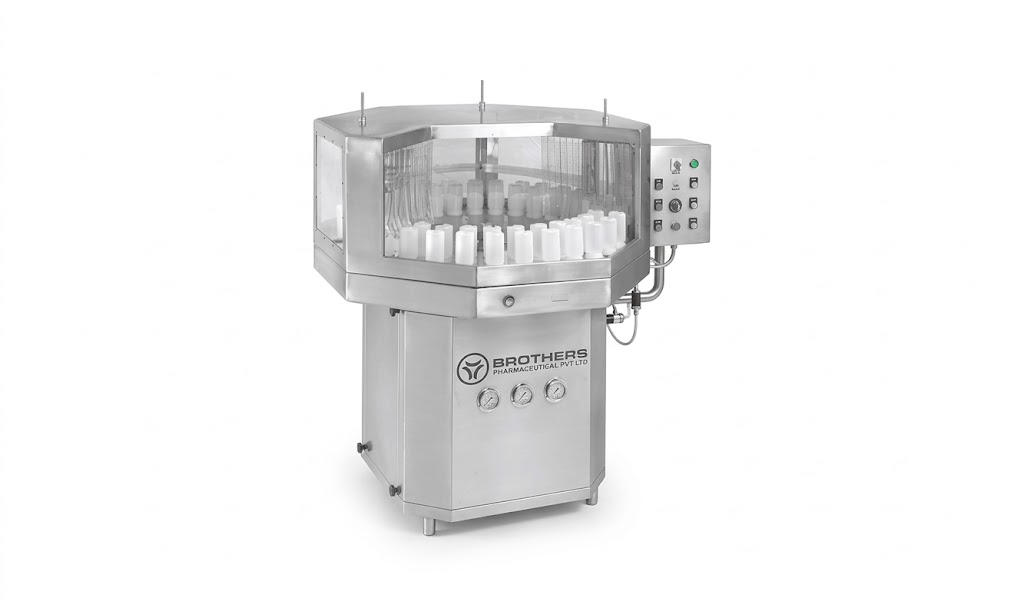
Bottle Washers
Thoroughly clean bottles before they are filled, ensuring hygiene and product safety.
Thorough bottle cleaning
Ensures hygiene and product safety
Pre-filling preparation
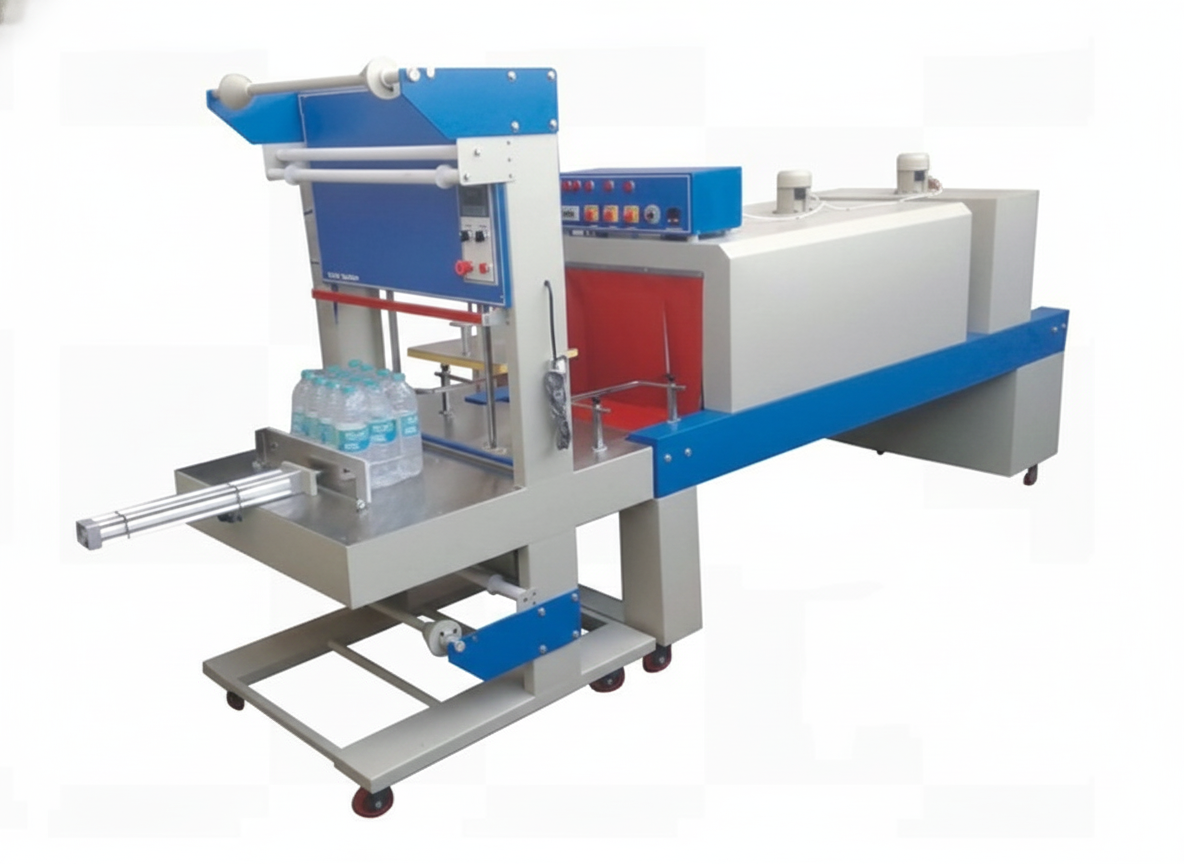
Shrink Tunnels
Heat tunnels that apply shrink wrap around bottles, cans, or multipacks for protection and branding.
Heat-based shrink wrapping
Protection and branding enhancement
Suitable for bottles, cans, and multipacks
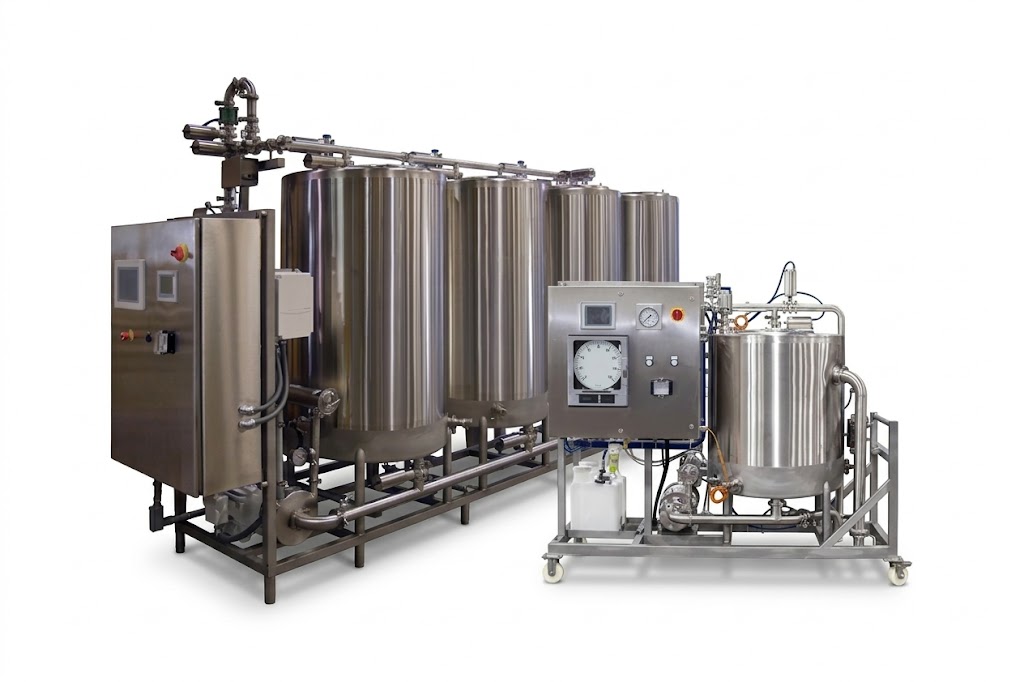
CIP Systems
Clean-in-Place automated cleaning systems that sanitize pipes, tanks, and filling machines without dismantling.
Automated Clean-in-Place technology
No dismantling required
Sanitizes pipes, tanks, and machines
Reduces downtime and labor
Automatic Can Filling Solutions
Automated filling systems designed for beer, soft drinks, and other canned beverages.
Automated can filling systems
Designed for beverages
High-speed and hygienic
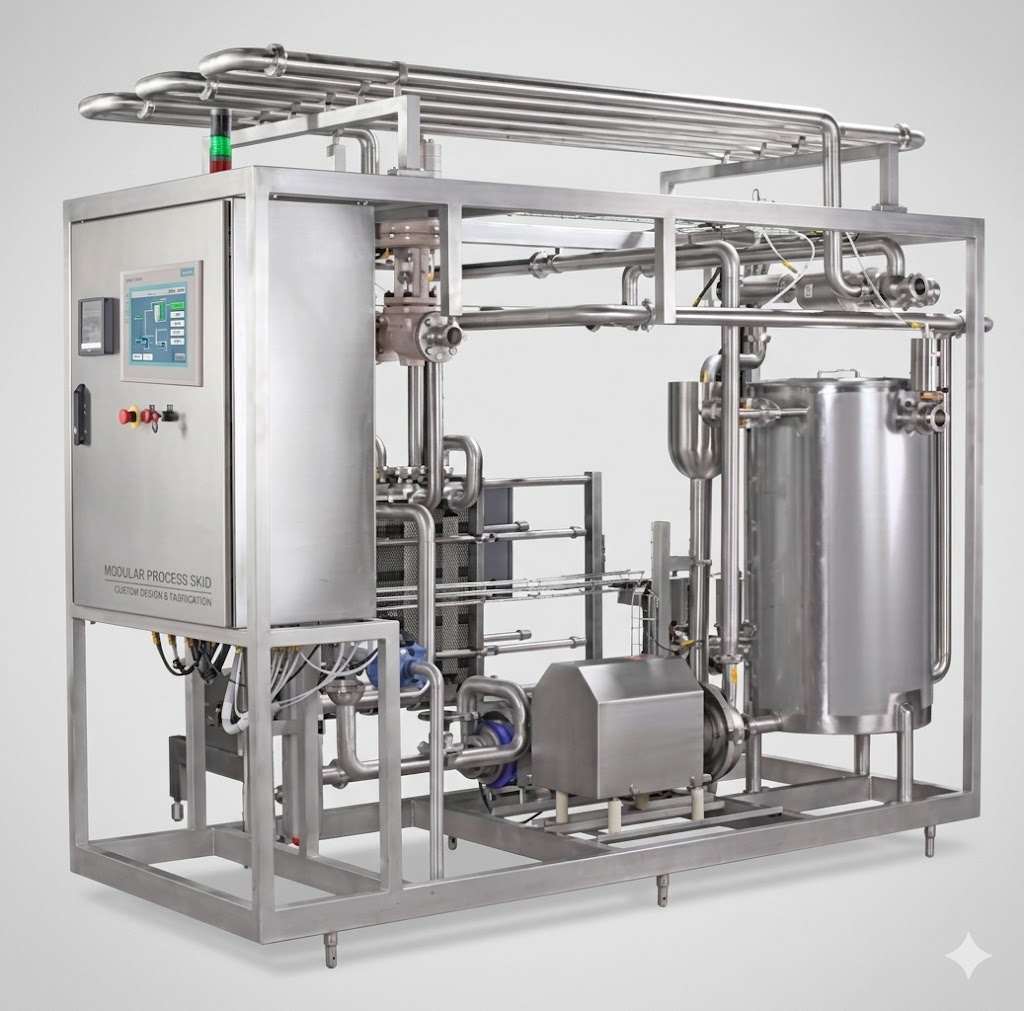
Pasteurizers
Heat treatment systems designed to eliminate harmful microorganisms in milk and dairy products without significantly affecting taste or nutritional value. By heating milk to a controlled temperature and then cooling it rapidly, pasteurizers extend shelf life, improve product safety, and comply with international food safety standards.
Eliminates harmful microorganisms
Extends shelf life and improves safety
Preserves taste and nutritional value
International food safety compliance
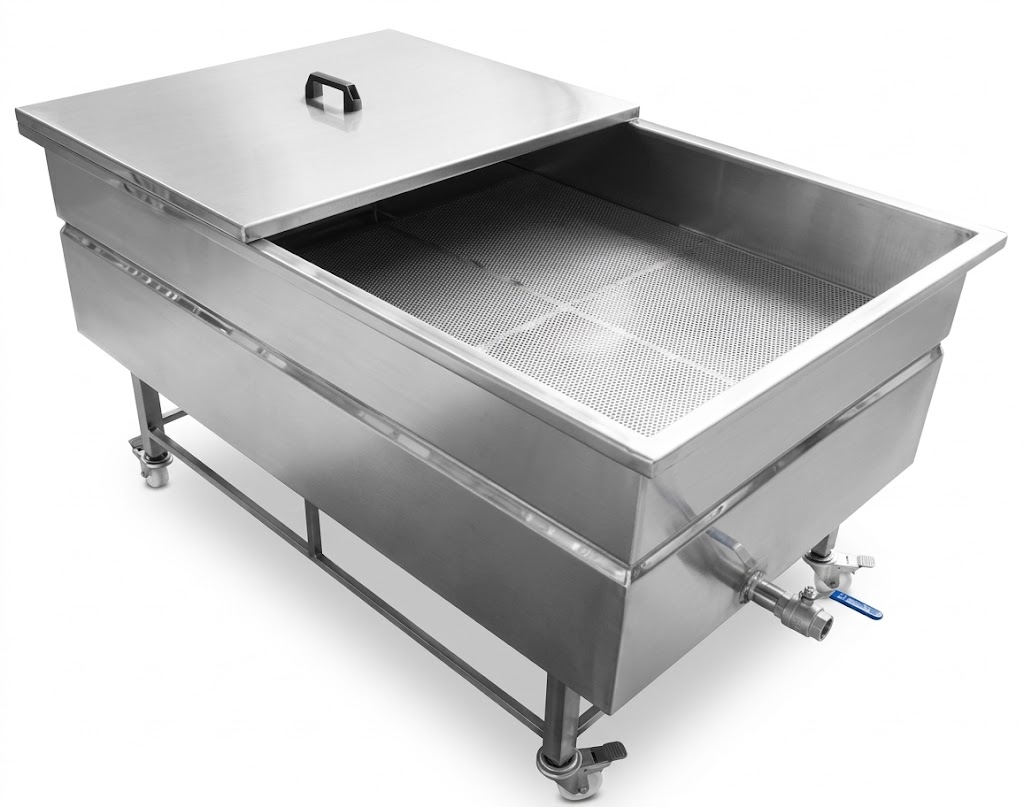
Draining Tables
Specialized stainless-steel tables used to separate whey from curd in cheese production. The tables often include perforated surfaces and drainage systems, helping processors achieve the right texture and moisture content in cheese.
Separates whey from curd
Perforated drainage systems
Controls cheese texture and moisture
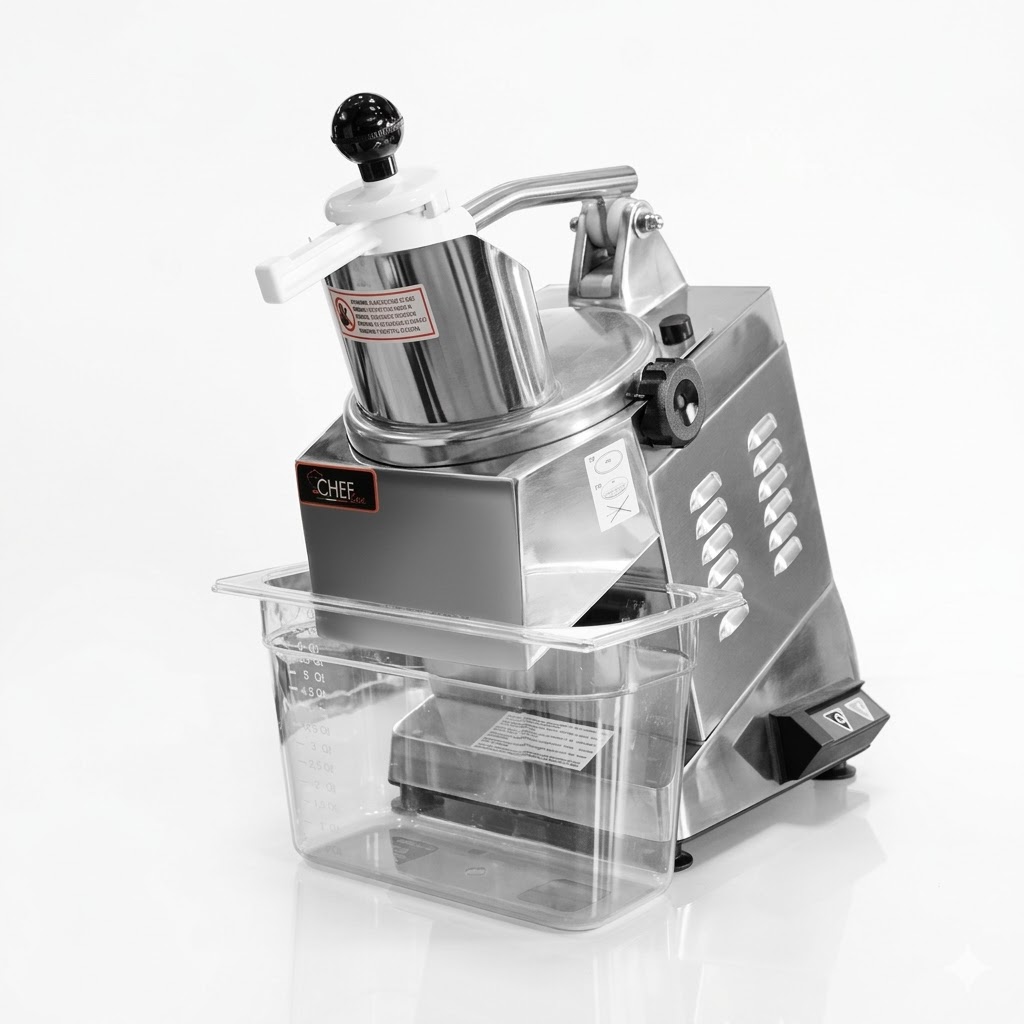
Shredders
Cheese shredding machines designed to cut blocks of cheese into uniform shreds or slices. These are widely used in ready-to-eat cheese products and foodservice applications.
Cuts cheese into uniform shreds or slices
Ready-to-eat product processing
Foodservice applications
.png)
Spray Dryers
Large-scale drying systems that atomize liquid milk into fine droplets and expose them to hot air, instantly evaporating moisture and converting it into powder. Spray dryers are essential for milk powder, whey protein, and infant formula production.
Atomization and instant drying
Produces milk powder and whey protein
Large-scale industrial capacity
Essential for infant formula production
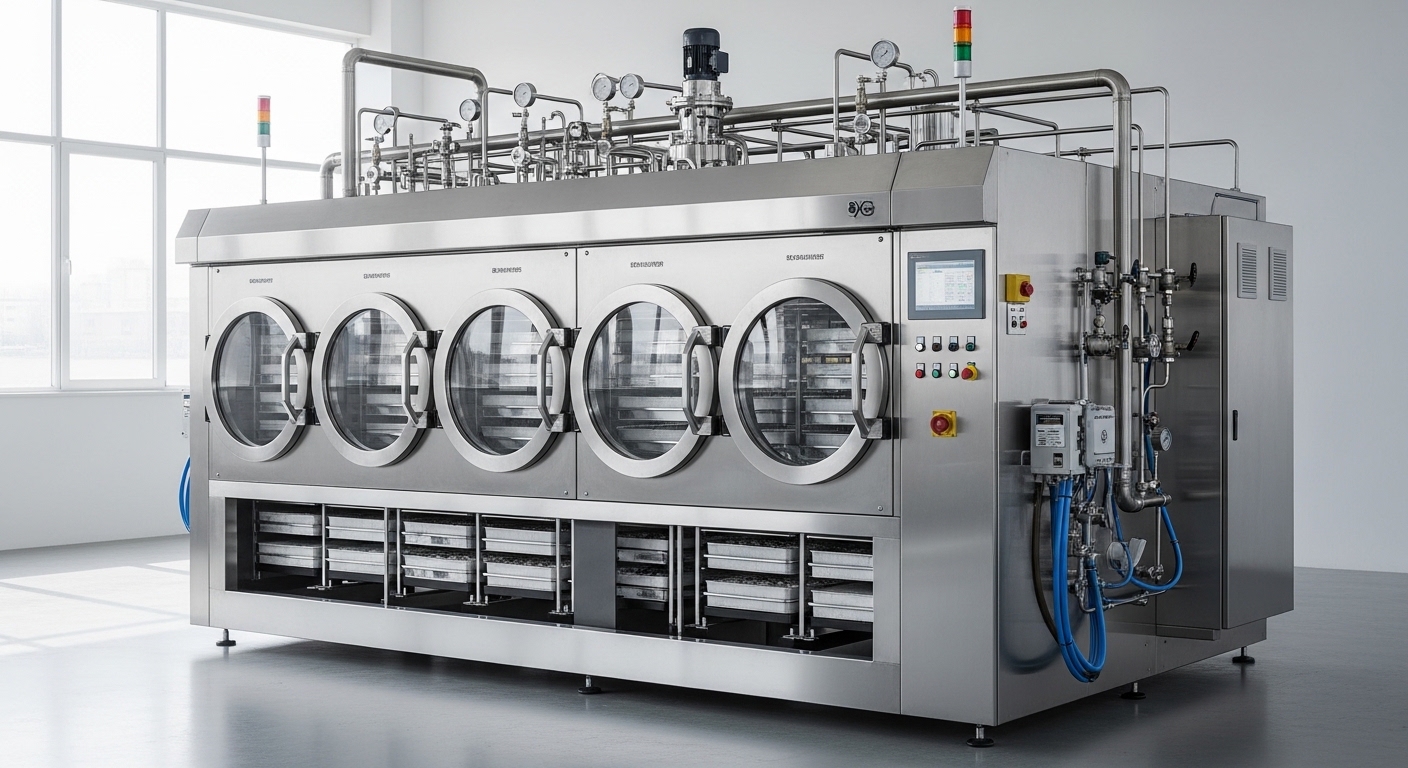
Freeze Dryers
Advanced drying systems that remove water from dairy products by freezing them and then applying a vacuum to sublimate ice directly into vapor. This preserves the nutritional content, flavor, and structure of dairy, ideal for high-value products like probiotic powders and specialty dairy ingredients.
Freeze and vacuum sublimation technology
Preserves nutrition, flavor, and structure
Ideal for probiotic and specialty products
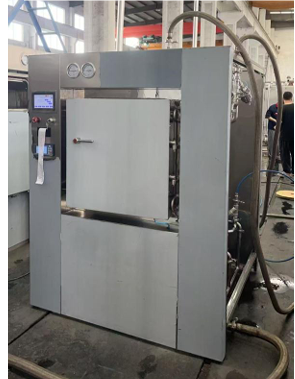
Sterilizers
Steam or heat-based sterilizers used to sanitize coconut kernels, coconut milk, or coconut water. This step eliminates pathogens and improves shelf life before further processing or packaging.
Steam or heat-based sterilization
Eliminates pathogens
Extends shelf life
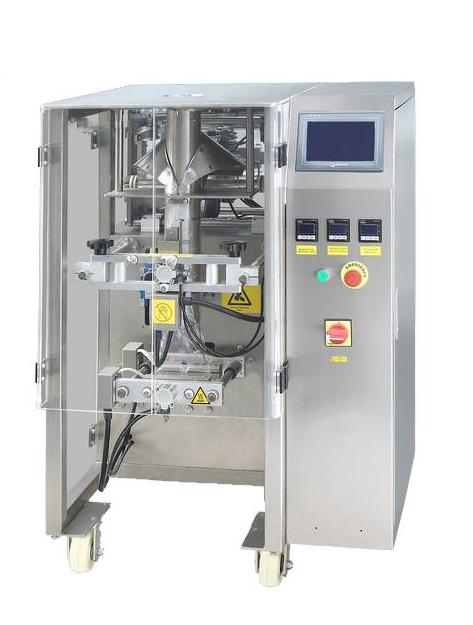
Packing Machines
Machines designed to package products into pouches, bottles, jars, or cartons. They ensure efficiency, reduce manual labor, and maintain consistent product presentation while protecting products during storage and transport.
Automated packaging into pouches, bottles, jars, and cartons
Reduces manual labor and increases efficiency
Maintains consistent product presentation
Protects products during storage and transport
Filling Machines, Capping & Labeling
Systems for accurately dispensing liquids, powders, or pastes into containers. They also apply caps or closures and affix product labels, ensuring hygiene, consistency, and compliance with regulatory standards.
Accurate dispensing of liquids, powders, and pastes
Automated capping and labeling systems
Ensures hygiene and consistency
Regulatory compliance standards
Grinding Solutions
Equipment that reduces raw materials into smaller particles or powders. Used in food, spices, and chemical industries, these machines improve texture, enhance solubility, and prepare raw materials for further processing.
Reduces materials into fine particles or powders
Improves texture and enhances solubility
Suitable for food, spices, and chemicals
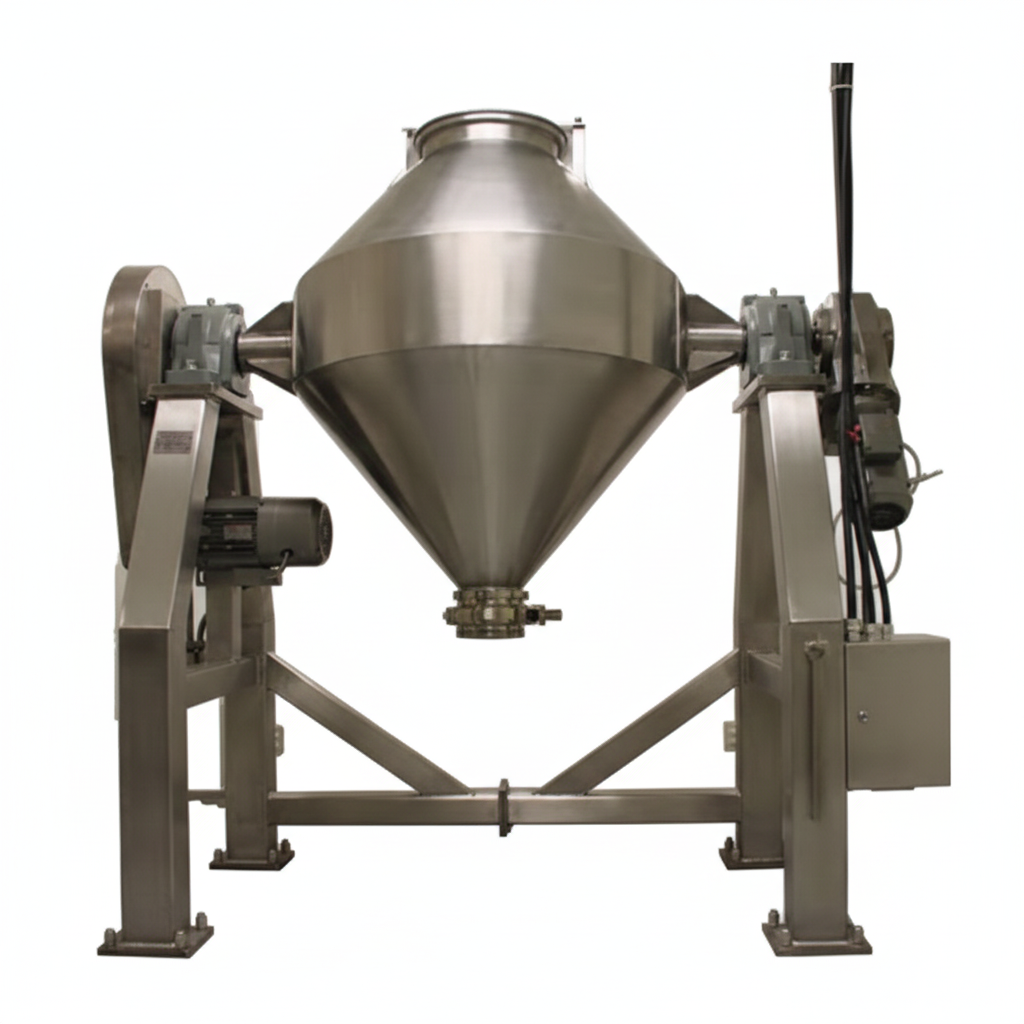
Mixing Machines
Designed for blending powders, pastes, or liquids uniformly. These mixers ensure consistent product quality, whether for food ingredients, pharmaceutical formulations, or cosmetic bases.
Uniform blending of powders, pastes, and liquids
Ensures consistent product quality
Versatile for multiple industries
Coding Machines & Printers
Systems for printing essential information such as batch numbers, expiry dates, QR codes, or barcodes on packaging. They ensure traceability and compliance with legal requirements.
Prints batch numbers, expiry dates, and codes
Ensures product traceability
Compliance with legal requirements
Bulk Bag Packing & Handling
Solutions for filling, discharging, and transporting large bulk bags of powders, grains, or granules. Ideal for industries handling large-scale raw material processing.
Handles large bulk bags efficiently
Filling and discharging automation
Ideal for large-scale raw material processing
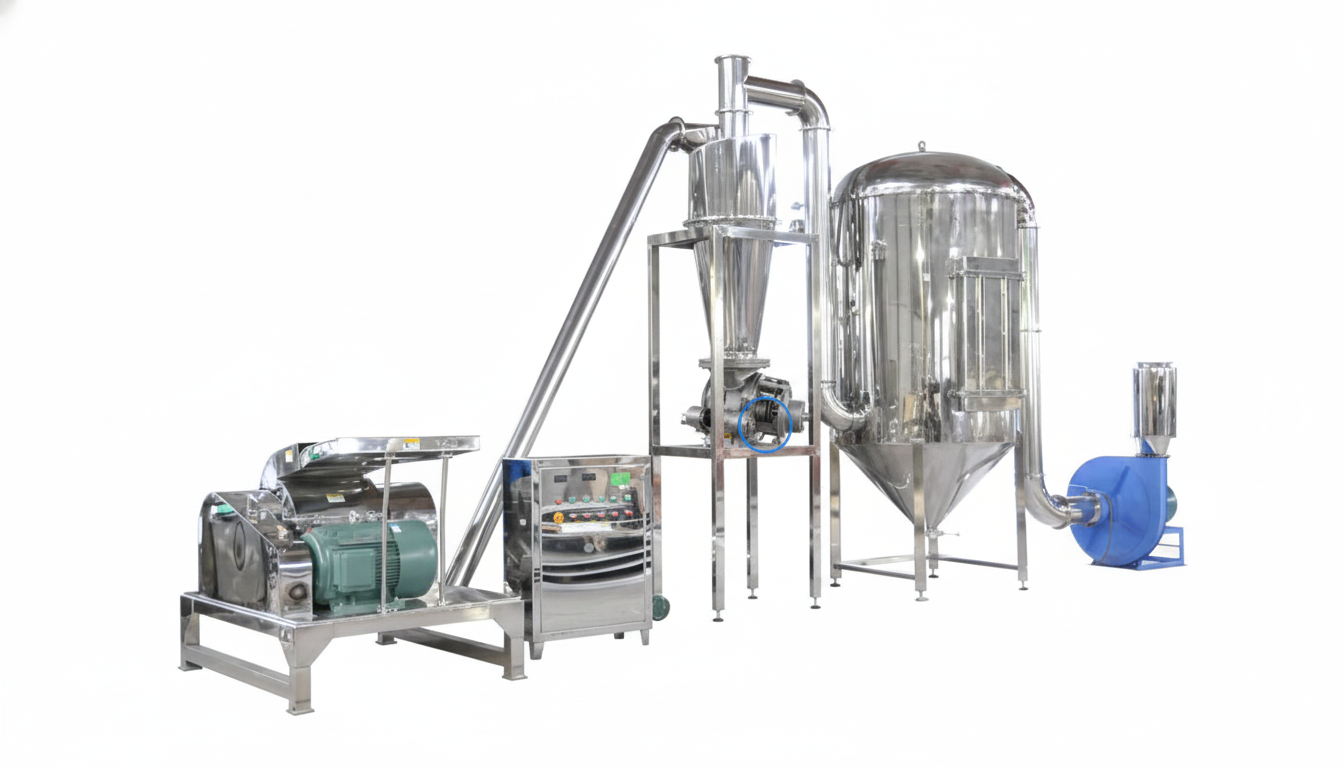
Hammer Mills
High-speed mills that crush and grind spices into powder. Ideal for medium-to-coarse grinding applications.
High-speed crushing and grinding
Ideal for medium-to-coarse grinding
Versatile for multiple materials
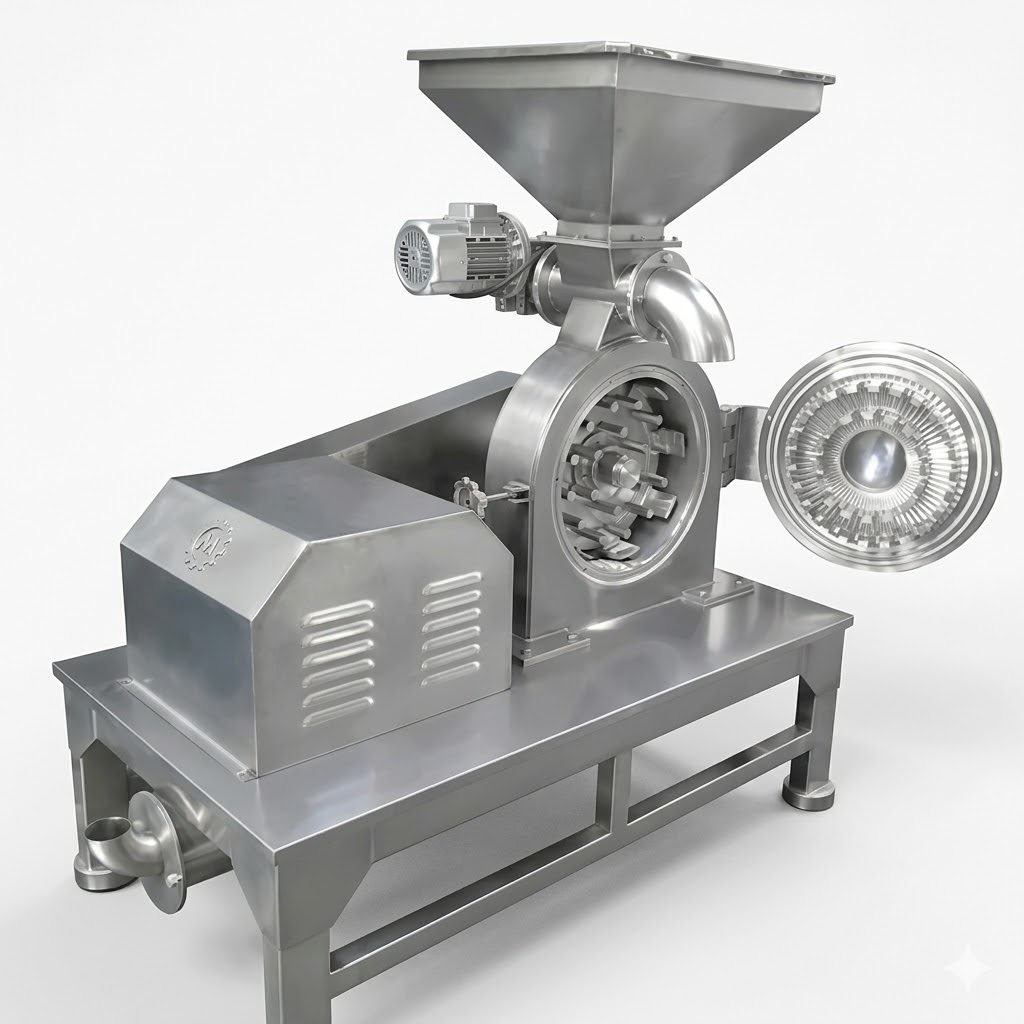
Pin Mills
Fine grinding machines that use high-speed pins to achieve uniform spice powder.
High-speed pin grinding technology
Achieves uniform fine powder
Ideal for spice processing
Air Classifying Mills
Combines grinding and air classification to achieve ultra-fine spice powders with controlled particle size.
Combined grinding and air classification
Achieves ultra-fine powders
Controlled particle size distribution
Universal Mills
Versatile grinders suitable for a wide variety of spices, grains, and food ingredients.
Versatile grinding capabilities
Suitable for spices, grains, and food
Multi-purpose application
Spice Blending Tanks
Stainless steel tanks with mixing systems to blend different spices into uniform mixtures.
Stainless steel construction
Uniform spice mixture blending
Advanced mixing systems
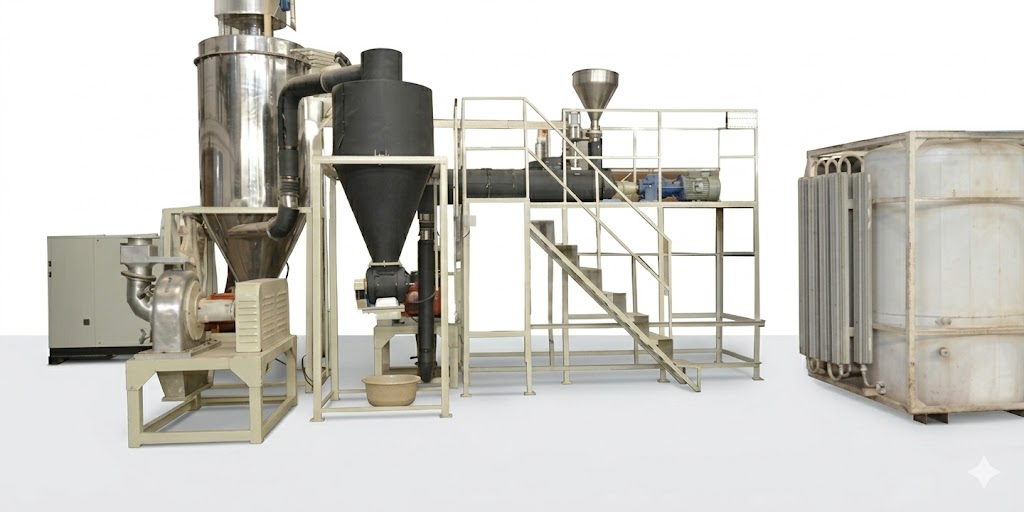
Cryogenic Grinding Solutions
Uses liquid nitrogen to grind heat-sensitive spices like turmeric and chili, preserving color, aroma, and volatile oils.
Liquid nitrogen cooling technology
Preserves color, aroma, and volatile oils
Ideal for heat-sensitive spices
Spice Roasting Solutions
Machines that roast spices to enhance flavor, aroma, and shelf life before grinding or packaging.
Enhances flavor and aroma
Extends shelf life
Controlled roasting process