Back to Categories
Category
Thermal Processing, Cooking & Preservation Systems
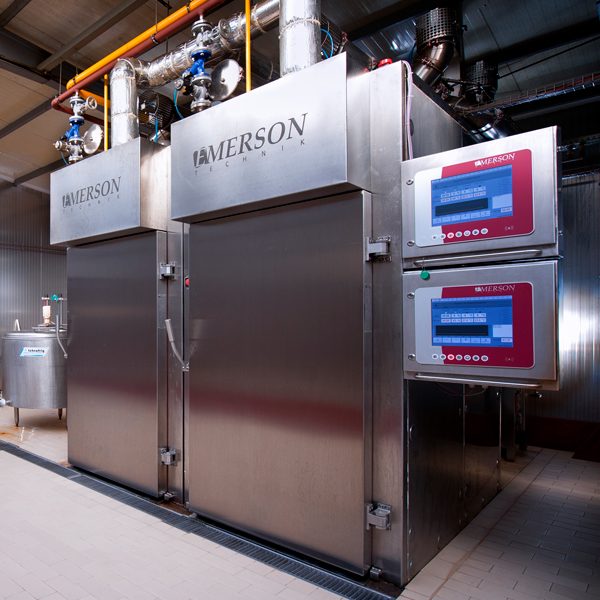
Cooking Chamber
The smoking and cooking units are allowing automatic heat treatments for meat, fish or other food products. They benefit from very strong materials and from a special cooking system – QuickCook, which ensures reduced working time as well as overall better results. The weight loss is strongly improved leading to a better yield, but at the same time the product is uniformly cooked, as the chambers come with one fan for each trolley. Each cooking chamber is equipped with gas, LPG, diesel, oil or electric heating (besides the steam), thus ensuring the generous steam production inside the chamber. Also, chambers feature a modular construction from high quality stainless steel and mineral rock wool panels, which allow them to be installed in different locations, from small to mid-sized to high capacity factories.
Different cooking control options are also available, such as Delta T cooking, chamber temperature cooking or core temperature cooking
The chambers are controlled either via the EasyTouch touch screen computer or with the ViSoft PC monitoring software.
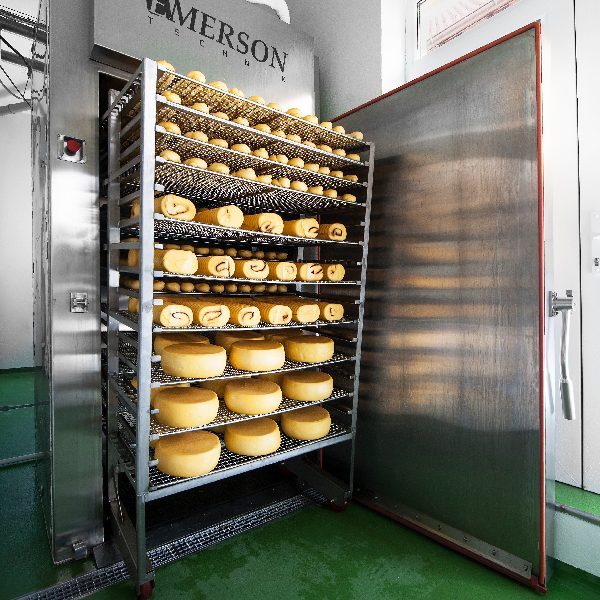
Cheese Smoking Chambers
For smoked cheese application, our smoking chambers usually use the cold smoke system. The perfect air circulation, together with the low smoke temperature (controlled by the cooling register) ensure that the product will have less loss after the drying – smoking process and also a perfect maturation. The chamber is designed to have optional horizontal air circulation for laying products on the grates. Thanks to the horizontal air circulation, the trolleys can be constructed with many levels and the capacity will be increased. Also, the heating can be adjusted for maturation and humidity control.
Reliability due to strong materials and processes
Weight loss reduced to minimum
Fast programs thanks to the design of the ventilating system
Blast Freezers
Rapid freezing units that use high-velocity cold air to freeze meat or seafood quickly, preserving texture and nutrients.
Rapid high-velocity freezing
Preserves texture and nutrients
Ideal for meat and seafood
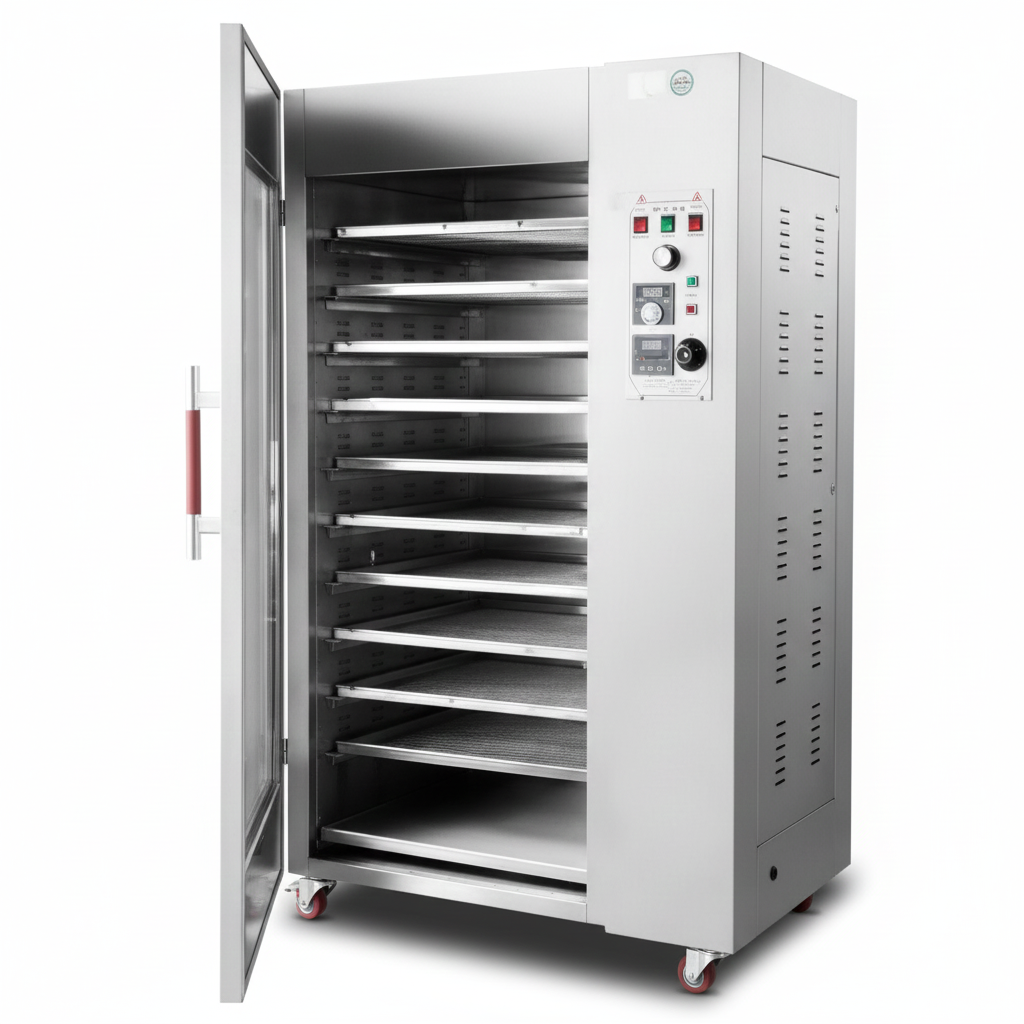
Dehydrators
Drying systems that remove moisture from spices, tea, fruits, and vegetables while preserving flavor and nutrients.
Moisture removal with heat control
Preserves flavor and nutrients
Suitable for spices, tea, and produce
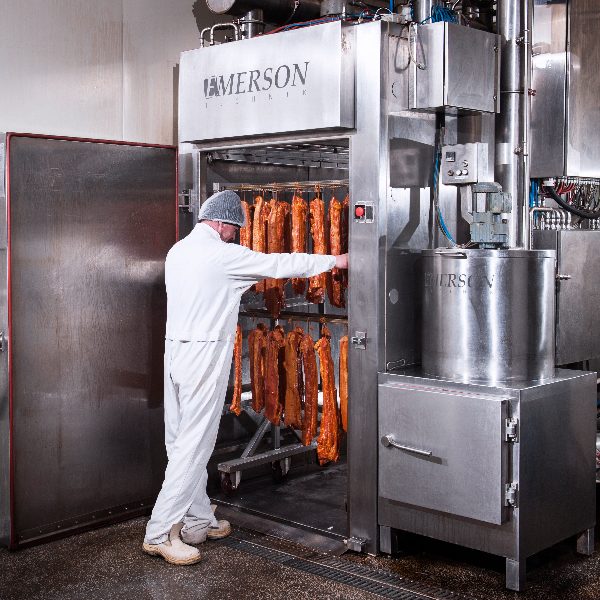
Smoking Chambers
Automated chambers for cooking and flavoring meats with controlled smoke and temperature. Commonly used for sausages, hams, and fish.
Controlled smoke and temperature
Automated cooking and flavoring
Ideal for sausages, hams, and fish
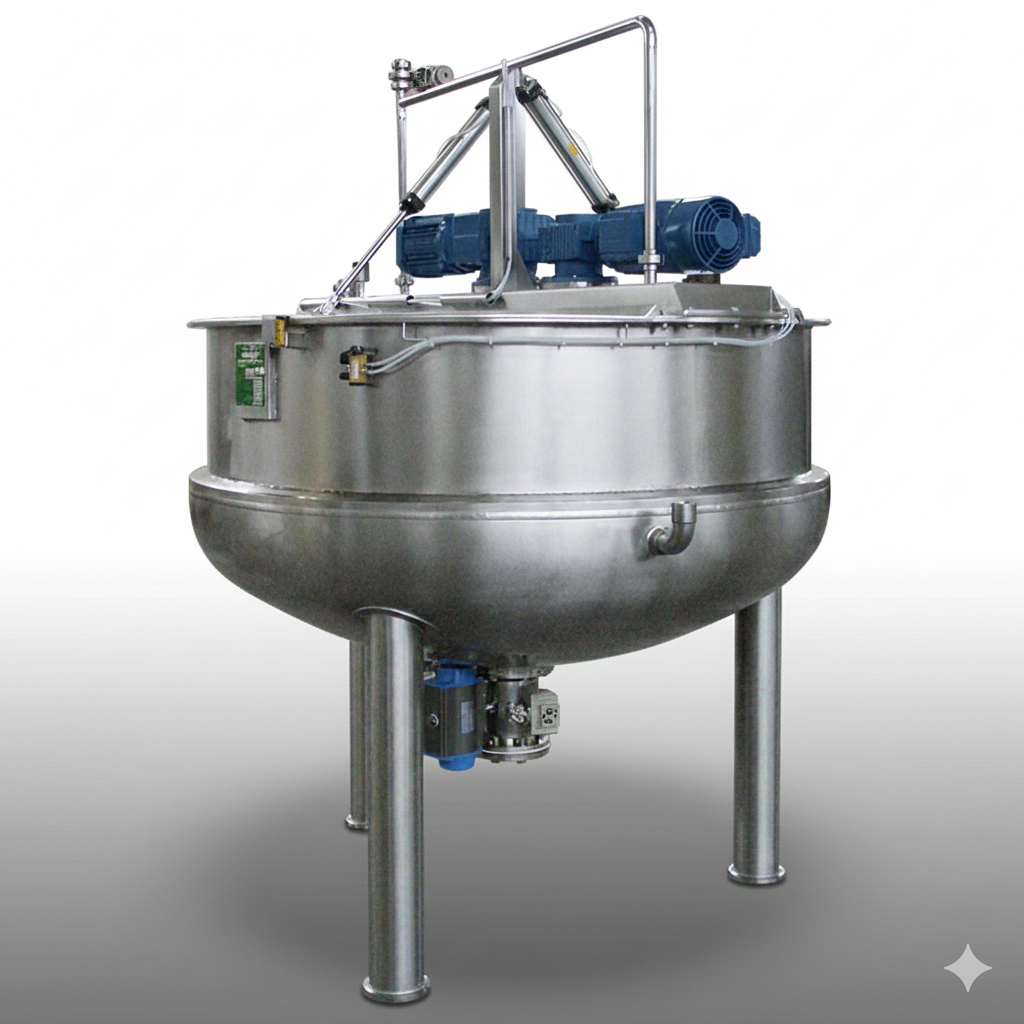
Industrial Cooking Vats
Large-scale cooking vessels with temperature control for preparing sauces, syrups, jams, and other cooked food products.
Large-scale cooking capacity
Precise temperature control
Suitable for sauces, syrups, and jams
Baking Ovens & Tunnel Ovens
Continuous or batch ovens for baking large volumes of bread, cookies, and biscuits. Tunnel ovens provide consistent results with high throughput.
Continuous and batch baking options
Consistent high-volume baking
Suitable for bread, cookies, and biscuits
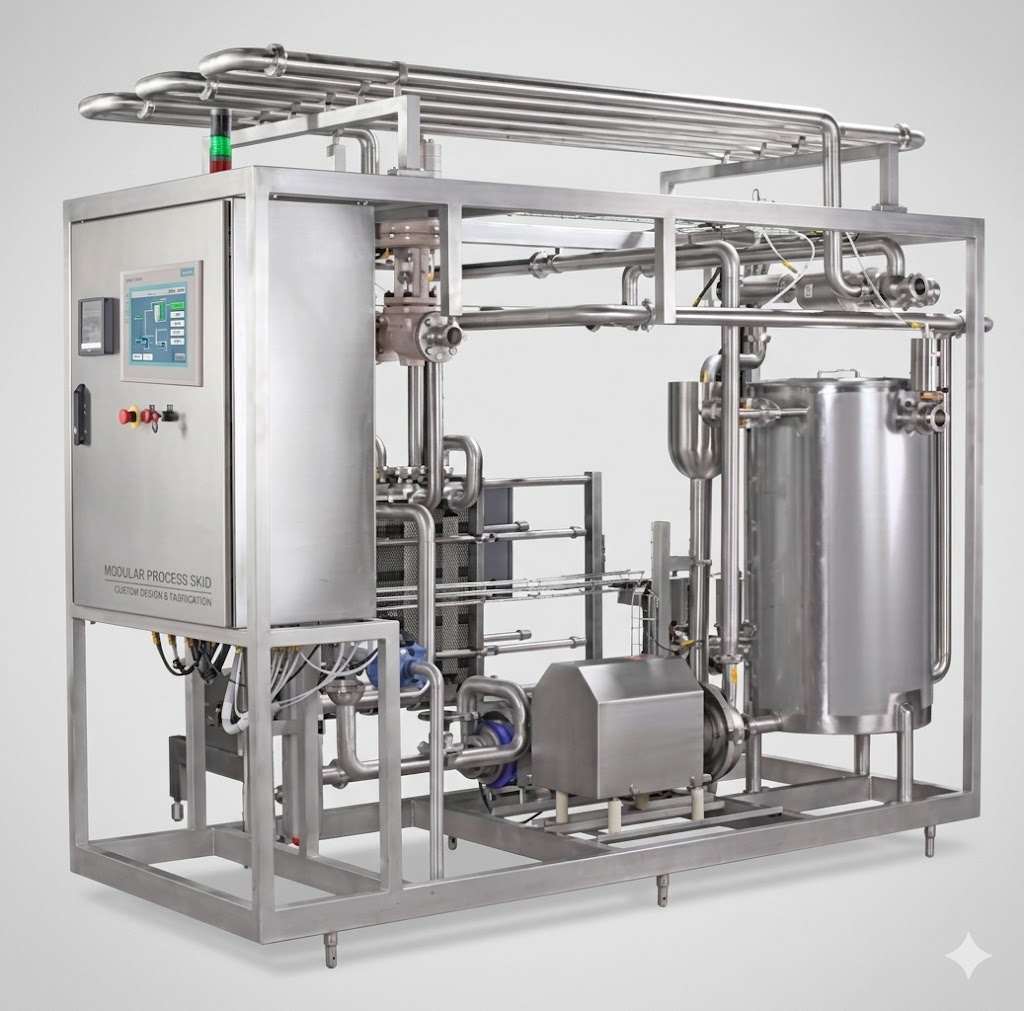
Pasteurizers
Heat treatment systems designed to eliminate harmful microorganisms in milk and dairy products without significantly affecting taste or nutritional value. By heating milk to a controlled temperature and then cooling it rapidly, pasteurizers extend shelf life, improve product safety, and comply with international food safety standards.
Eliminates harmful microorganisms
Extends shelf life and improves safety
Preserves taste and nutritional value
International food safety compliance
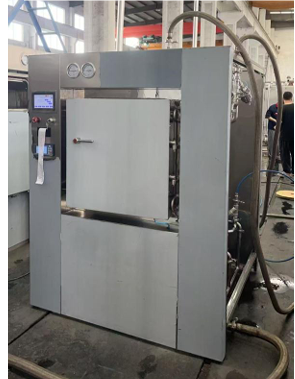
Sterilizers
Steam or heat-based sterilizers used to sanitize coconut kernels, coconut milk, or coconut water. This step eliminates pathogens and improves shelf life before further processing or packaging.
Steam or heat-based sterilization
Eliminates pathogens
Extends shelf life
.png)
Spray Dryers
Large-scale drying systems that atomize liquid milk into fine droplets and expose them to hot air, instantly evaporating moisture and converting it into powder. Spray dryers are essential for milk powder, whey protein, and infant formula production.
Atomization and instant drying
Produces milk powder and whey protein
Large-scale industrial capacity
Essential for infant formula production
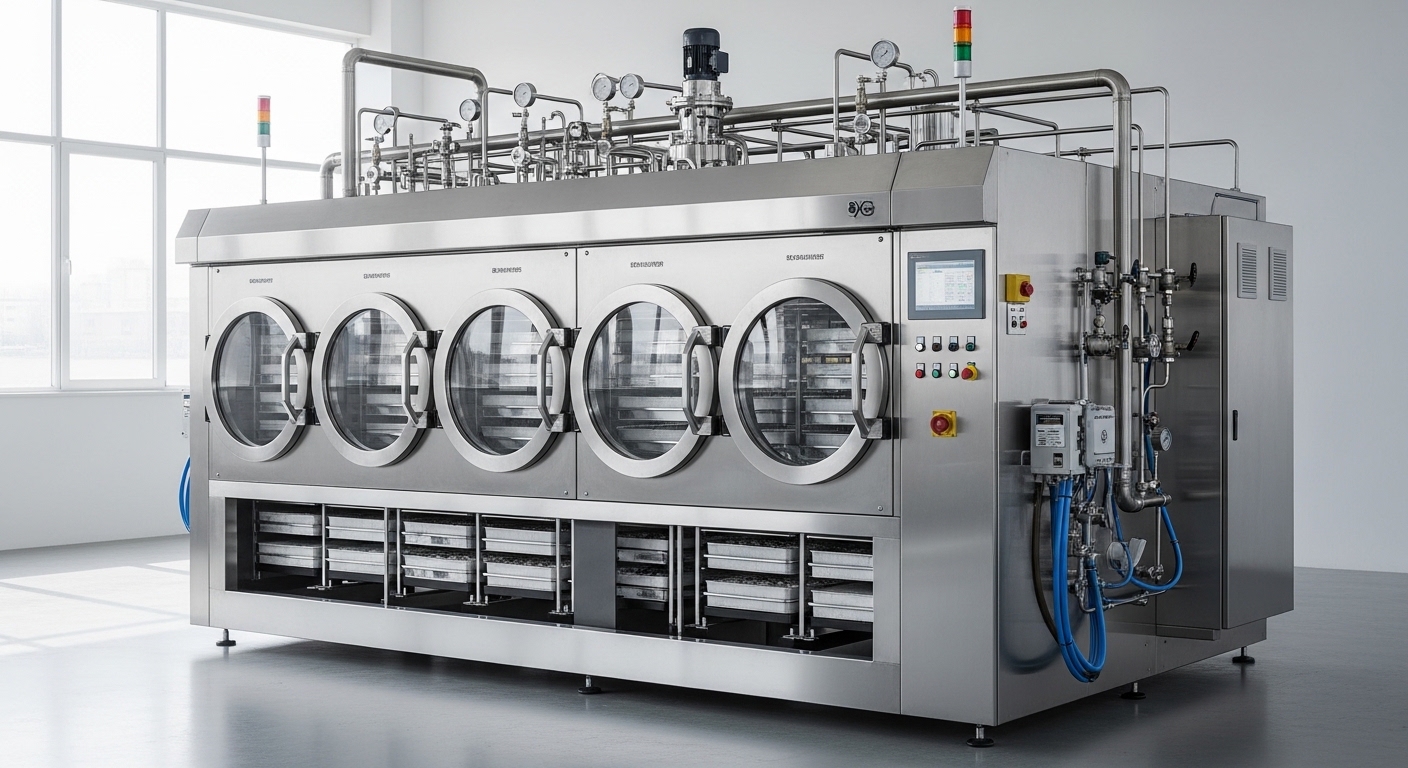
Freeze Dryers
Advanced drying systems that remove water from dairy products by freezing them and then applying a vacuum to sublimate ice directly into vapor. This preserves the nutritional content, flavor, and structure of dairy, ideal for high-value products like probiotic powders and specialty dairy ingredients.
Freeze and vacuum sublimation technology
Preserves nutrition, flavor, and structure
Ideal for probiotic and specialty products
Spice Roasting Solutions
Machines that roast spices to enhance flavor, aroma, and shelf life before grinding or packaging.
Enhances flavor and aroma
Extends shelf life
Controlled roasting process